Bertie Gregory Wolves Up Close Biodiversity
Topics—
Latest—

Newly Discovered Monkey Pops Up in Camera Trap Footage

Rare Water Mouse Rediscovered After Almost 100 Years

Striking Photos Reveal the Legacy of Yellowstone’s Wolves

The Hidden Ways Wolves Keep an Ecosystem Healthy
Nat Geo Recommends—
Meet the First New Cat Species Discovered in 100 Years
Topics—
Latest—

Michelangelo and the Tomb that Tormented Him

premium
A Famous Portrait of Anne Boleyn Hides a Strange Secret

premium
Will the Bayeux Tapestry Finally Give Up Its Secrets?
How Sleuths Decoded the Secret Letters of Mary, Queen of Scots

How Sleuths Decoded the Secret Letters of Mary, Queen of Scots
Nat Geo Recommends—
Inside the New Expedition to Find Amelia Earhart's Plane
Topics—
Latest—

England’s Forgotten Castle Trail—And the Woman Behind It

15 Spectacular Journeys by Land, Sea and Sky
Inside the Exclusive-Access Boom in Luxury Travel, From Islands to Palaces

Inside the Exclusive-Access Boom in Luxury Travel, From Islands to Palaces
Musician Kate Nash on Her Irish Heritage and the Reality of Touring

Musician Kate Nash on Her Irish Heritage and the Reality of Touring
Nat Geo Recommends—
Where to Go for a Fall Leaf-Peeping Road Trip
Topics—
Latest—

premium
Rethinking How to Fight the World’s Deadliest Infection

premium
Could the Way You Chew Food Affect Your Dementia Risk?
Can a Controversial Diet Help Treat a Hidden Cause of Migraines?

premium
Can a Controversial Diet Help Treat a Hidden Cause of Migraines?

premium
The Case for Buying Kefir Over Yogurt
Nat Geo Recommends—

Your Neighborhood Could Influence Your Dementia Risk
Science & Nature—
Latest—

Paid Content
From Farm to Future

Life Inside a Sinking City
Scientists Discover a Neuron That May Play a Role in Schizophrenia

premium
Scientists Discover a Neuron That May Play a Role in Schizophrenia

Microplastics Detected in Brazil’s Most Remote Wildlife
Featured—
Watch Nat Geo on Disney+



Watch the Sharkfest collection on Disney+

National Geographic Society—
More—


The Hidden Ways Wolves Keep an Ecosystem Healthy
Bertie Gregory’s latest show, Wolves Up Close, followed a single pack for eight years—and learned how they boost biodiversity and keep other animals on the move.
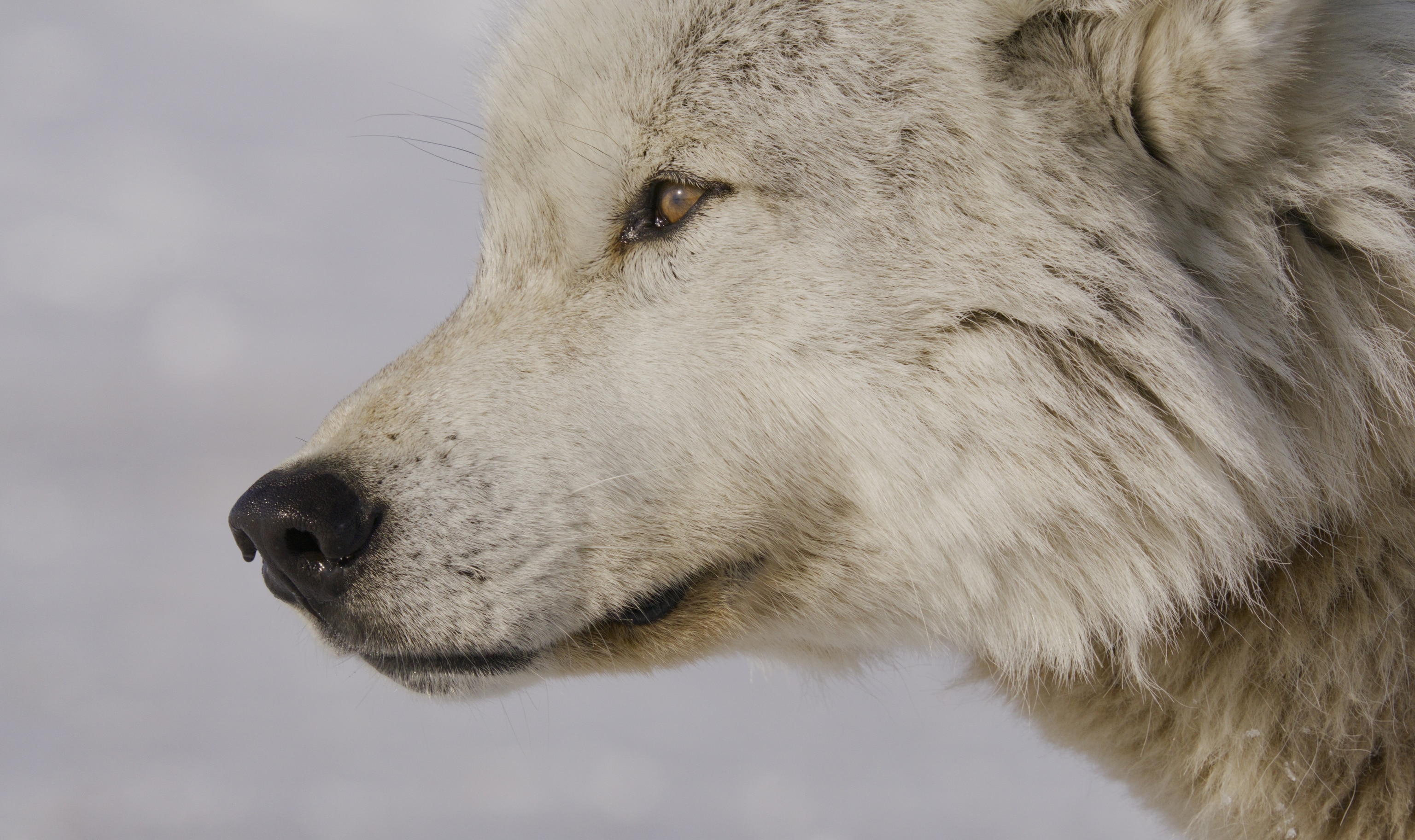
While humans are accustomed to fear wolves, the apex predators are less interested in people than they are in animals.
Bertie Gregory, National Geographic
Wolves almost always get a bad rap, thanks to everything from fairy tales and fables to modern movies depicting the animals as bad guys lurking in the shadows.
In reality, wolf attacks on humans are extremely rare.
“In North America, you can count the number of fatal attacks by wolves on people on one hand,” says Bertie Gregory, National Geographic Explorer and host of Wolves Up Close with Bertie Gregory, premiering November 6 on National Geographic, Disney+, and Hulu. “And in my experience spending time with them, wolves either want absolutely nothing to do with us, or they’re just sort of curious.”
The wildlife filmmaker has been following a single pack of wolves off and on for eight years. And because wolves typically only live two to three years in the wild, he’s seen all the animals he once knew in this pack pass on and be replaced by their offspring.
“These wolves live in Hudson Bay, Canada, and they live in a very remote area where they are not hunted,” explains Gregory. “They don’t see people particularly often, and so they don’t have this fear of us like they do in places where they’re aggressively persecuted, which is most of North America.”
Among the facts Gregory reveals in the new television special are the many ways wolves contribute to a healthy ecosystem—ways that may surprise viewers who grew up with the idea that the only wolves out there were the big-and-bad, huff-and-puff variety.
“A healthy wolf population means a healthy planet, and that also means healthy people,” says Gregory. “I’m in awe of them.”
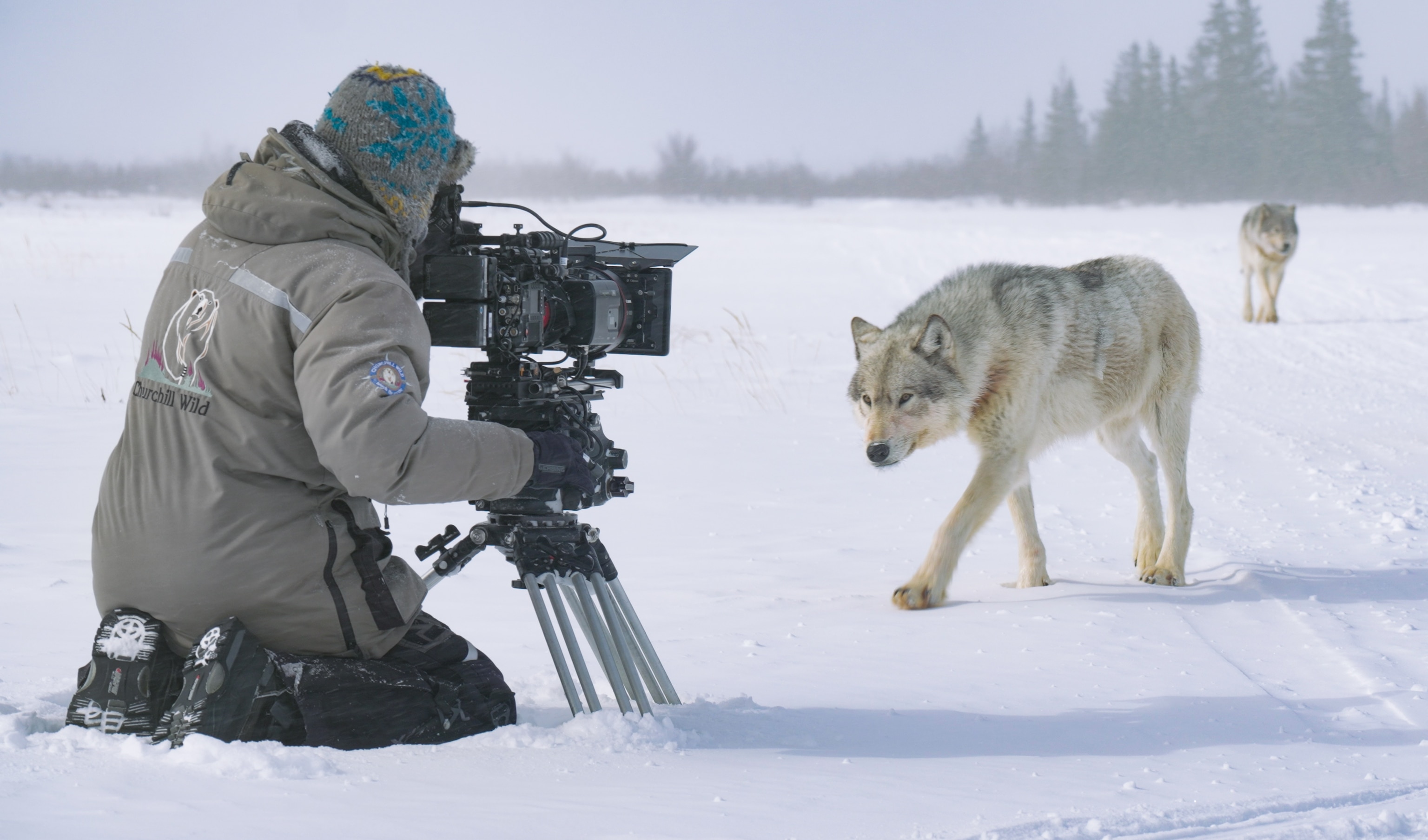
Bertie Gregory has been following the same pack of wolves in Hudson Bay, Canada for eight years.
Rick Smith, National Geographic
Boosting Biodiversity and Keeping Landscapes Diverse
At one point during Gregory’s new show, his team stumbles upon a moose carcass that had been left by the local wolf pack. Wisely, the crew sets up camera traps nearby to see what other animals might be making use of the fresh kill.
“As soon as the wolves left the kill, we started seeing that same carcass supporting so many different, smaller animals, from pine martins to foxes, wolverines, ravens, and even lone wolves that weren’t part of the pack,” says Gregory of the footage. “It was just a perfect example of how many other species rely on them.”
(California's Wolves Have Returned After a Century. But at What Cost?)
And it’s not just birds and mammals. Carcasses mean a boom for carrion and burying beetles, rove beetles, wasps, flies, ants, and many other invertebrates.
“The longer that carcass degrades, you also then get nutrients leached into the soil,” says Sean Johnson-Bice, a research scientist at the University of Minnesota.
Eventually, trees and other plants make use of those nutrients, turning kill sites into hotspots for all kinds of biodiversity.
Maintaining Prey Populations
Up in Hudson Bay, there aren’t many animals that can compete with a 1,500-pound moose. But the same is also true for elk, deer, bison, and the many other animals wolves prey upon across their range.
You May Also Like
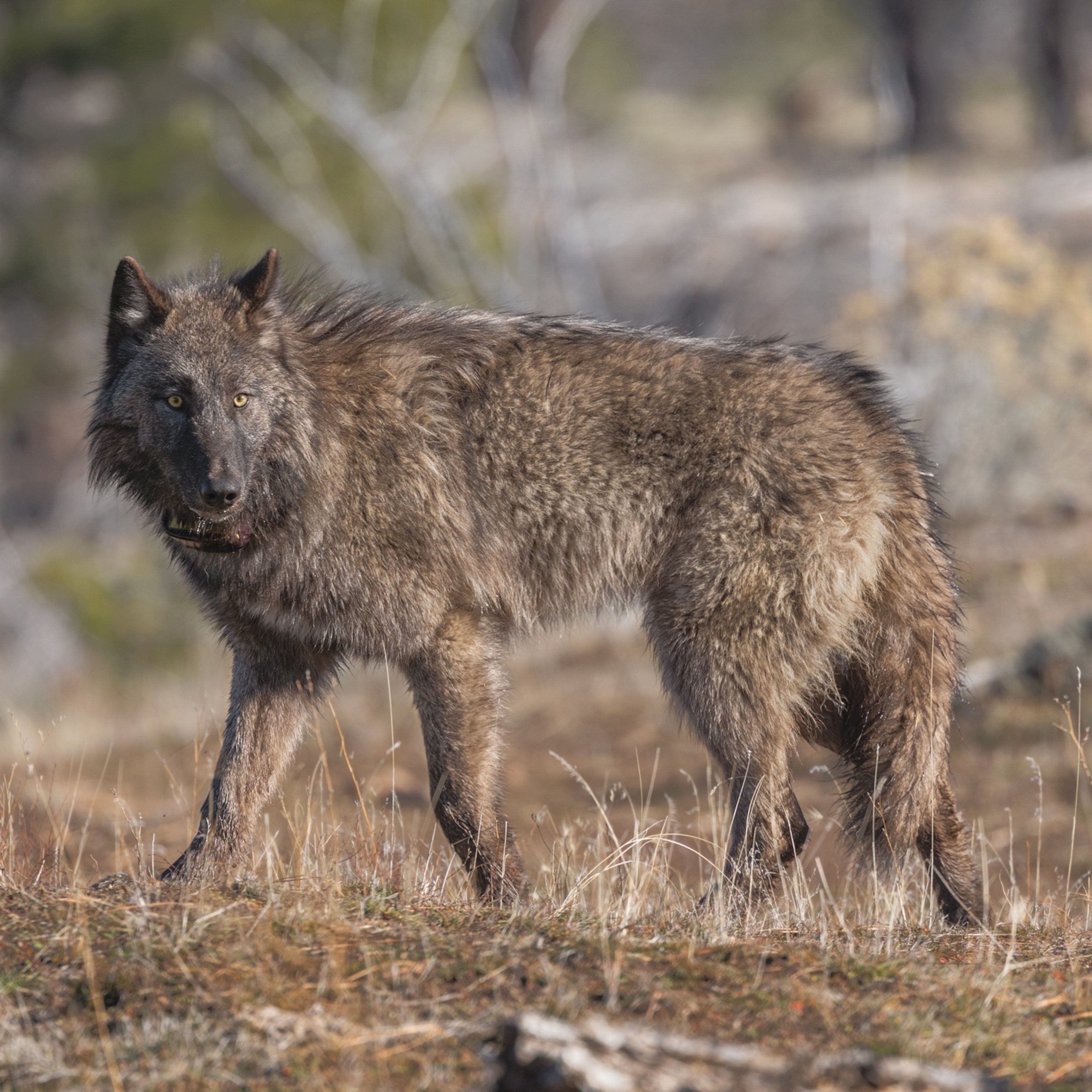
ANIMALS ## California's Wolves Have Returned After a Century. But at What Cost?
PHOTOGRAPHY ## America’s Wild Horses, Seen by Nat Geo Photographers
ANIMALS ## Rare Water Mouse Rediscovered After Almost 100 Years
“I certainly wouldn’t want to be a moose with a limp around those guys,” Gregory jokes about the wolfpack he filmed.
While every predator and prey interaction is complicated—the dynamics depend on the habitat type, the number of animals any given ecosystem can support, and the species involved—apex predators are generally considered beneficial to the food web.
“Without wolves, the herbivore population begins to overgraze the landscape,” says Gregory.
In Yellowstone National Park, for instance, scientists have found evidence that the reintroduction of wolves contributed to the recovery of willow and aspen trees and overall habitat diversity by reducing the population of elk. Less grazing due to fewer elk in turn led to improved habitat quality for animals like songbirds and beavers.
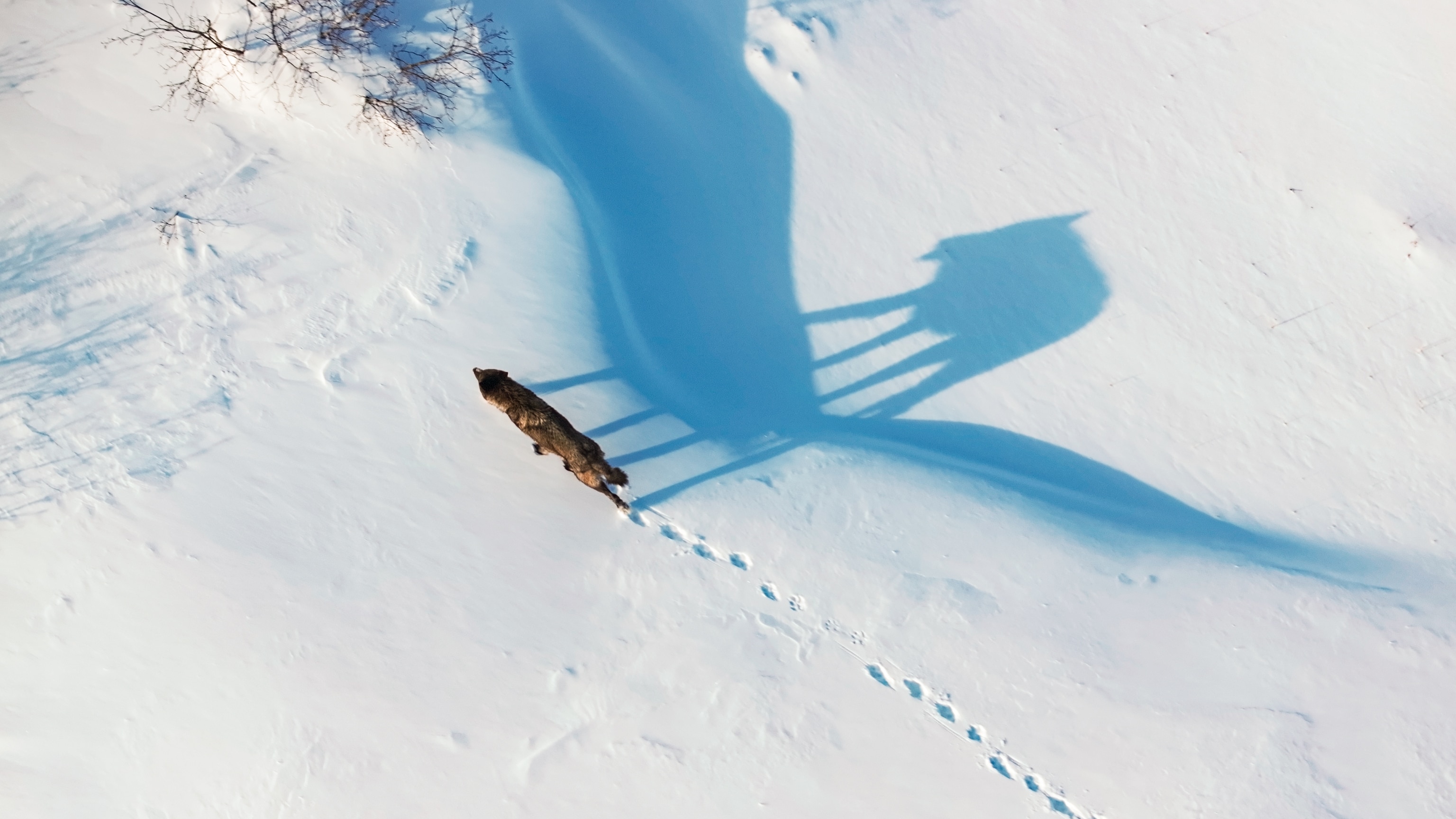
Despite their smaller size, wolves' speed allows them to prey on larger animals like moose, elk, deer, and bison.
Bertie Gregory, National Geographic
Changing the Behavior of Other Animals
Killing prey species isn’t the only impact wolves have, however.
“Their very presence creates a landscape of fear,” says Gregory. “Herbivores spend less time in places that have good foraging habitat but are actually very risky places to be, such as riverbeds. By causing them to move more, countless other species of plants and animals thrive.”
In a 2023 study published in Proceedings of the Royal Society B: Biological Sciences, Johnson-Bice and his colleagues showed that by preying upon beavers, wolves could indirectly alter the trajectory of an entire forest. This is because beavers reduce tree cover and create wetlands, which are ecological hotspots in their own right.
What’s more, beavers that foraged farther from home were more likely to get killed by wolves, which means that the wolves applied selective evolutionary pressure on the bucktoothed ecosystem engineers.
“It all comes down to this idea of landscape heterogeneity,” says Johnson-Bice, referring to the ecological concept that landscapes with mixtures of species and physical variations are healthier than those where everything stays the same.
Whether it’s drawing in wolverines and ravens to a kill site, boosting nutrients in the soil, creating a hotspot for decomposing beetles and flies, disrupting and reducing large herbivores, or directly changing the way beavers affect an area, the presence of wolves can have wide-ranging impacts on an ecosystem that, frankly, scientists are still trying to quantify.
“They are just so special,” says Gregory. “And on an emotional level, we have such love for dogs. It seems totally bizarre to me that their wild relatives don’t get the same respect.”
"Wolves Up Close with Bertie Gregory" premieres November 6 at 9/8c on National Geographic and streams the same day on Disney+ and Hulu.
Jason Bittelis a National Geographic Explorer and author of Grizzled: Love Letters to 50 of North America’s Least Understood Animals, now available from Disney books.
Related Topics
You May Also Like
ANIMALS ## Who’s Afraid of the Big Bad Danish Wolf?
ANIMALS ## Inside the sacred wolf hunts of western Mongolia

ANIMALS ## In Patagonia, penguins are changing how pumas live
ANIMALS ## Demand for wolf-dog hybrid pets is surging worldwide

ANIMALS ## Watch a mole-rat 'farmer' at work
The best of National Geographic delivered to your inbox
Email Address
Yes! I would like to receive top content, special offers, and other updates from National Geographic and The Walt Disney Family of Companies. By creating an account, you agree to our Terms of Use and acknowledge that you have read our Privacy Policy and US State Privacy Rights Notice.
Follow us National Geographic Instagram National Geographic Facebook National Geographic Twitter National Geographic Youtube National Geographic Linkedin National Geographic Tiktok National Geographic Reddit
United States (Change)

Notice of Right to Opt Out of Sale/Sharing
Some US states provide residents (or their authorized agents) with the right to opt out of “targeted advertising,” “selling,” or “sharing” of personal information, as defined by applicable laws. You can move the toggle to the left and click “Submit” to opt out of such activities occurring through this digital property. If you are logged in, we may be able to associate your choice with your account and apply it to data sharing occurring through this digital property (across your browsers and devices) as well as other digital properties of The Walt Disney Family of Companies. You can confirm the status of your choice or opt out or in by clicking “Do Not Sell or Share My Personal Information” or “Your Privacy Choices” on each property.
Manage Consent Preferences
Selling, Sharing, Targeted Advertising
[x] Selling, Sharing, Targeted Advertising
If you are not logged in, your opt-out will be specific to this property and device or browser. For our other digital properties, to opt out, select “Do Not Sell or Share My Personal Information” or “Your Privacy Choices” on each. If you clear your tracking history or use another browser or device, you’ll need to opt out again.
You can also submit this opt-out form, which may enable us to apply your opt-out more broadly, for example, to stop data sharing in connection with advertising intended to reach you on platforms not operated by Disney (e.g., social media platforms).
You may enable online, where available, a universal tool that automatically communicates your opt-out, such as Global Privacy Control (“GPC”), which we’ll process as if you had opted out through the toggle.
Even if you opt out, you may continue to see advertising, including ads that may be based on personal information processed before you opted out. Please visit Your US State Privacy Rights for more information about your rights and how to exercise them.
Cookie List
Clear
- [x] checkbox label label
Apply Cancel
Consent Leg.Interest
[x] checkbox label label
[x] checkbox label label
[x] checkbox label label
Submit
Enter your email to read this article
Plus, get unlimited access to free National Geographic content
Email Address
SUBMIT
Yes! I would like to receive top content, special offers, and other updates from National Geographic and The Walt Disney Family of Companies. By creating an account, you agree to our Terms of Use and acknowledge that you have read our Privacy Policy and US State Privacy Rights Notice.
Already have an account?