Tilcayo Bolivia Senda Verde Viral Fame
Topics—
Latest—

Newly Discovered Monkey Pops Up in Camera Trap Footage

Rare Water Mouse Rediscovered After Almost 100 Years

Striking Photos Reveal the Legacy of Yellowstone’s Wolves

The Hidden Ways Wolves Keep an Ecosystem Healthy
Nat Geo Recommends—
Meet the First New Cat Species Discovered in 100 Years
Topics—
Latest—

Michelangelo and the Tomb that Tormented Him

premium
A Famous Portrait of Anne Boleyn Hides a Strange Secret

premium
Will the Bayeux Tapestry Finally Give Up Its Secrets?
How Sleuths Decoded the Secret Letters of Mary, Queen of Scots

How Sleuths Decoded the Secret Letters of Mary, Queen of Scots
Nat Geo Recommends—

Inside the New Expedition to Find Amelia Earhart's Plane
Topics—
Latest—

England’s Forgotten Castle Trail—And the Woman Behind It

15 Spectacular Journeys by Land, Sea and Sky
Inside the Exclusive-Access Boom in Luxury Travel, From Islands to Palaces

Inside the Exclusive-Access Boom in Luxury Travel, From Islands to Palaces
Musician Kate Nash on Her Irish Heritage and the Reality of Touring

Musician Kate Nash on Her Irish Heritage and the Reality of Touring
Nat Geo Recommends—

Where to Go for a Fall Leaf-Peeping Road Trip
Topics—
Latest—

premium
Rethinking How to Fight the World’s Deadliest Infection

premium
Could the Way You Chew Food Affect Your Dementia Risk?
Can a Controversial Diet Help Treat a Hidden Cause of Migraines?

premium
Can a Controversial Diet Help Treat a Hidden Cause of Migraines?

premium
The Case for Buying Kefir Over Yogurt
Nat Geo Recommends—

Your Neighborhood Could Influence Your Dementia Risk
Science & Nature—
Latest—

Paid Content
From Farm to Future

Life Inside a Sinking City
Scientists Discover a Neuron That May Play a Role in Schizophrenia

premium
Scientists Discover a Neuron That May Play a Role in Schizophrenia

Microplastics Detected in Brazil’s Most Remote Wildlife
Featured—
Watch Nat Geo on Disney+



Watch the Sharkfest collection on Disney+

National Geographic Society—
More—


What Happens When Your New Cat Species Goes Mega-Viral?
In September, scientists revealed the tilcayo, a new wild cat. Then came donations, awards, and a few strange phone calls.
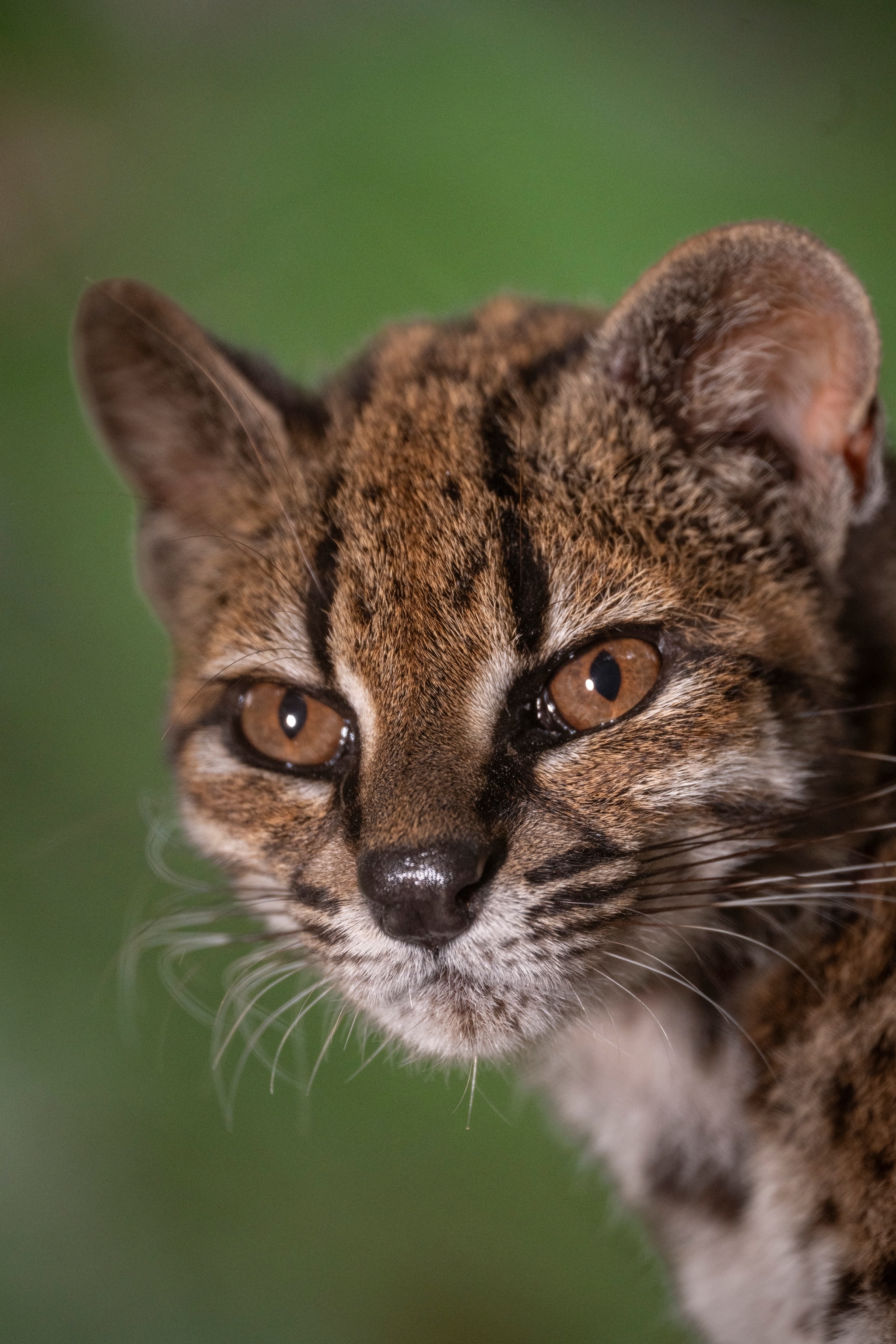
The discovery of the first new cat species in 100 years generated an immense amount of global attention. Scientists and its caretakers are now hopeful the interest will turn into progress for protecting its environment.
Text by Jason Bittel
Photographs and video by Fernando Faciole
For seven weeks this past summer, Vicky Ossio didn’t know if any of the 1,200 rescued animals in her care would survive.
Ossio is the co-founder of Senda Verde, a Bolivian wildlife sanctuary two-and-a-half hours from the capital city of La Paz. Senda Verde lies in one of the areas that was severely affected by anti-government road blockades, which cut off the flow of fuel and food in the country this summer. Each week, she needs to source nearly 500 pounds of meat to feed all the Andean bears, jaguars, and many wild cats in her care. “I would wake up and the only thing I did during the whole day is try to find food,” says Ossio.
Miraculously, Senda Verde survived the blockades by buying in-season fruit from their neighbors and relying on a flock of 60 egg-laying chickens. But the experience was still fresh in Ossio’s mind when the news broke last month: Scientists had confirmed that one of the wild cats in the sanctuary was, in fact, a newly discovered species, now known as the tilcayo. Native to Bolivia, genetics revealed that the small, spotted feline had diverged from other members of the tiger cat species complex around 1.4 million years ago.
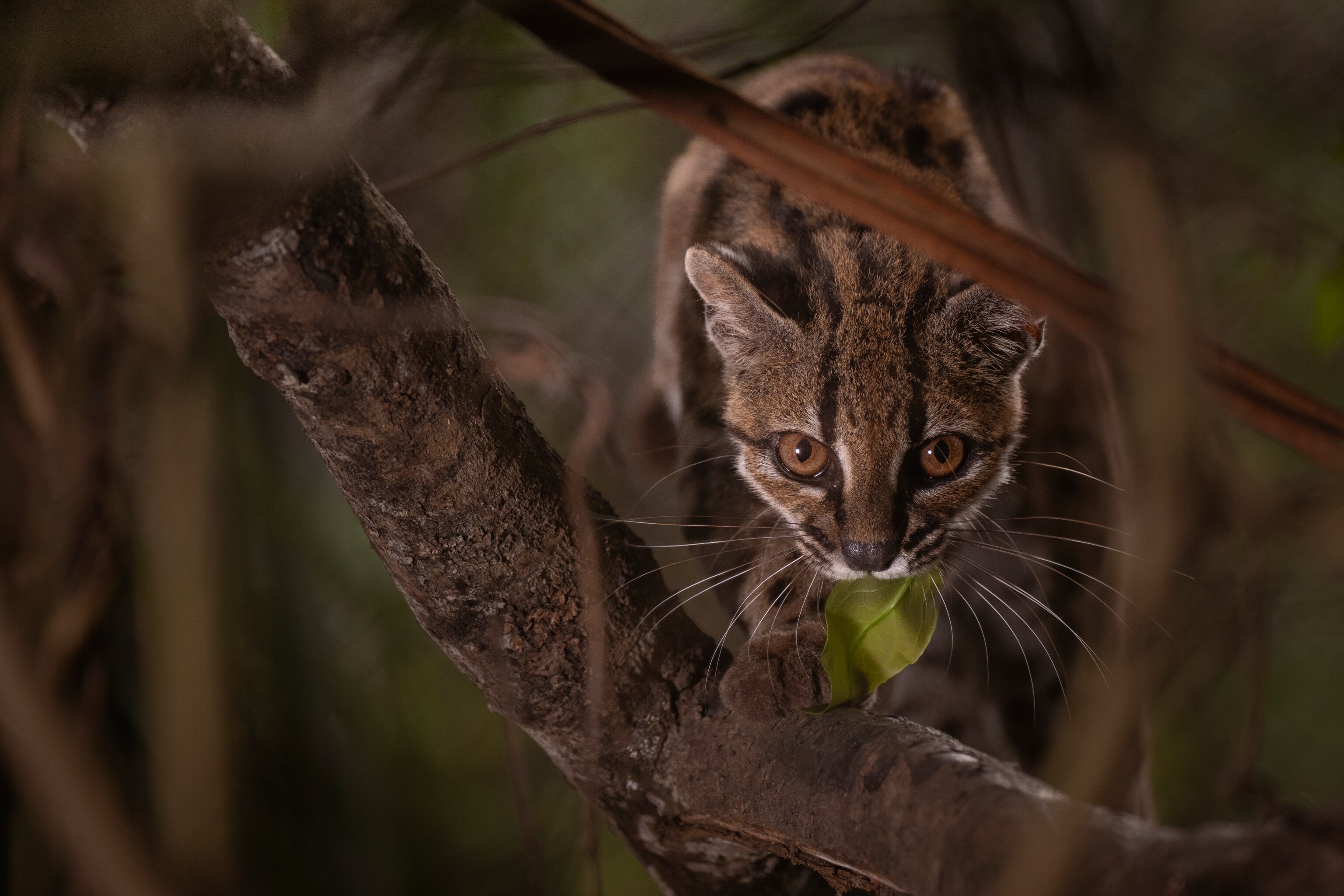
This is the only known tilcayo, currently living at Senda Verde, a Bolivian wildlife sanctuary. It arrived around 2017 after being turned over by a local family that had kept it in their home. The viral fame has inspired citizen scientists to search for more members of the species.
0:17
To say Ossio was unprepared for the tidal wave of media coverage the discovery would generate would be an understatement. Reporters from around the world had her phone ringing every ten minutes, even while she was traveling through remote parts of the country. Soon after, Ossio was informed that more than $150,000 had been donated to the sanctuary through a crypto campaign. “You have no idea the peace of mind that granted us,” Ossio says. The money should ensure the sanctuary can afford food for its inhabitants no matter what other unforeseen events lie down the road.
“Getting funding for small cats is so hard,” saysPaola Nogales-Ascarrunz, a Bolivian biologist and co-lead author of the study01110-3) that described the tilcayo. “But now, somehow, we broke the internet with a small cat.” About a month since the discovery was announced, the extreme attention has led to an optimistic outlook for studying and protecting the new cat species—and a few weird consequences of sudden viral fame.
After the newsbroke,Nogales-Ascarrunz, who is also a National Geographic Explorer, conducted hours and hours of interviews, then watched in awe as tilcayo stories took over her Facebook, Instagram, TikTok, and even LinkedIn feeds. Friends in Germany, Poland, and India all reached out to congratulate her. “I’m so tired of seeing my face,” she laughs.
Except, it wasn’t always Nogales-Ascarrunz’s face. In numerous AI-generated stories about the tilcayo, the Bolivian researcher says her images were rendered with more Caucasian features. “They made me white with blonde hair,” she says. In other AI-generated posts, the only scientists shown were fictional men.
0:30
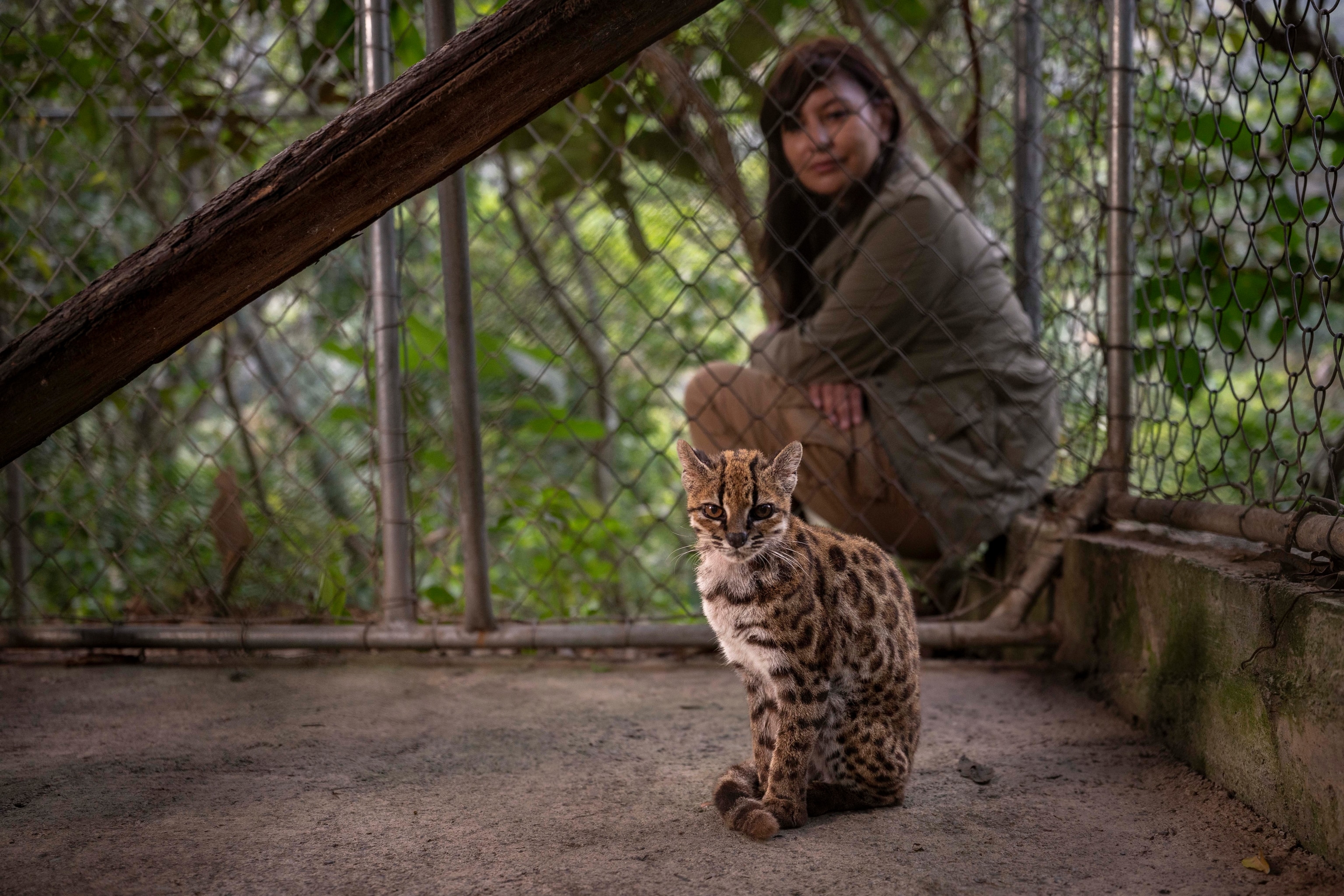
Nogales-Ascarrunz was in awe about the world-sweeping attention the discovery received.
At one point during the media frenzy, Ossio says their website was receiving 137 hacking attempts every ten minutes. There have also been some worrying phone calls. Someone in Seattle offered to buy the tilcayo, she says. Another call, this one from a region in Bolivia well-known for its ties to drug producers, wanted Ossio’s help determining if a similar-looking cat they had in their possession was also a tilcayo. In Ossio’s eyes, both instances raise the issue of ma s coti s m—or when wild animals become so popular, it creates an uptick in people trying to find them in the wild and then keep them or sell them as pets. “Of course, we don’t want to put the tilcayos at risk,” says Ossio.
Fortunately, most developments to emerge out of the tilcayo media bonanza have been positive. In the weeks since the tilcayo went viral, Nogales-Ascarrunz has enjoyed seeing fan art of the cat from around the world. She and her study coauthor, Enzo Aliaga-Rossel, were also given an award by the governor of La Paz. But one of the more curious developments to emerge from the attention is related to the tilcayo’s name.
In their study, the scientists gave the cat the name “tilcayo,” because that is how some locals in the region referred to it back when it was thought to be a different species. However, when Nogales-Ascarrunz investigated whether the word had any meaning, she came up empty in both Spanish and Quechua, a locally spoken indigenous language.
However, she’s now been contacted by a linguist who believes the word might come from another indigenous South American language known as Aymara. The translation? Til comes from a word that means “small” and cayo from another that means “paw” or “foot."
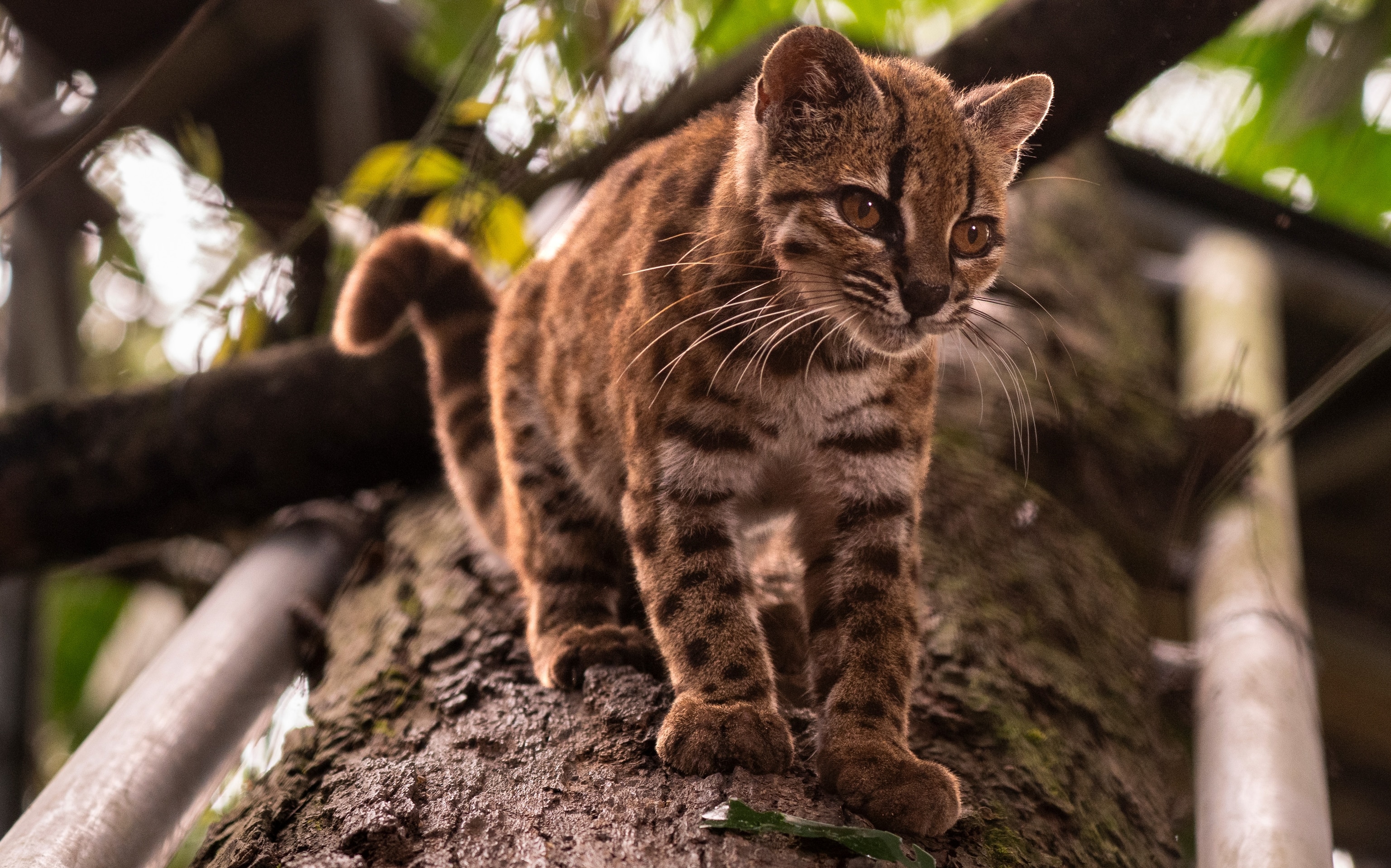
The habitat of the tilcayo is threatened by illegal gold mining. Conservationists hope the attention brought to the new species can help protect it.
All of which would make sense, she says, since the tilcayo has a smaller footprint than both ocelots and margays.
Similarly, more than a few citizen scientists have begun to send photos of small, spotted cat specimens to the researchers, wondering if they, too, had captured evidence of a tilcayo. So far, most appear to be margays, says Nogales-Ascarrunz. Even still, the interest is inspiring, she says.
You May Also Like
ANIMALS ## Meet the First New Cat Species Discovered in 100 Years
PHOTOGRAPHY ## America’s Wild Horses, Seen by Nat Geo Photographers
PHOTOGRAPHY ## It Took 20,000 Shots to Capture This Extraordinary Moment
At thesame time, awareness of the tilcayo may also create the political pressure needed to protect local people and animals from illegal gold-mining activities that threaten much of Bolivia. These operations draw sediment up from rivers and then use mercury like a magnet to extract tiny flakes of gold that are otherwise missed by panning. Some of that mercury washes into waterways, eventually finding its way into fish and other animals. Local people rely on these animals for food, which in turn puts them at risk for heavy metal poisoning.
According to Ossio, illegal gold mining often occurs in the region, impacting the water near the sanctuary.
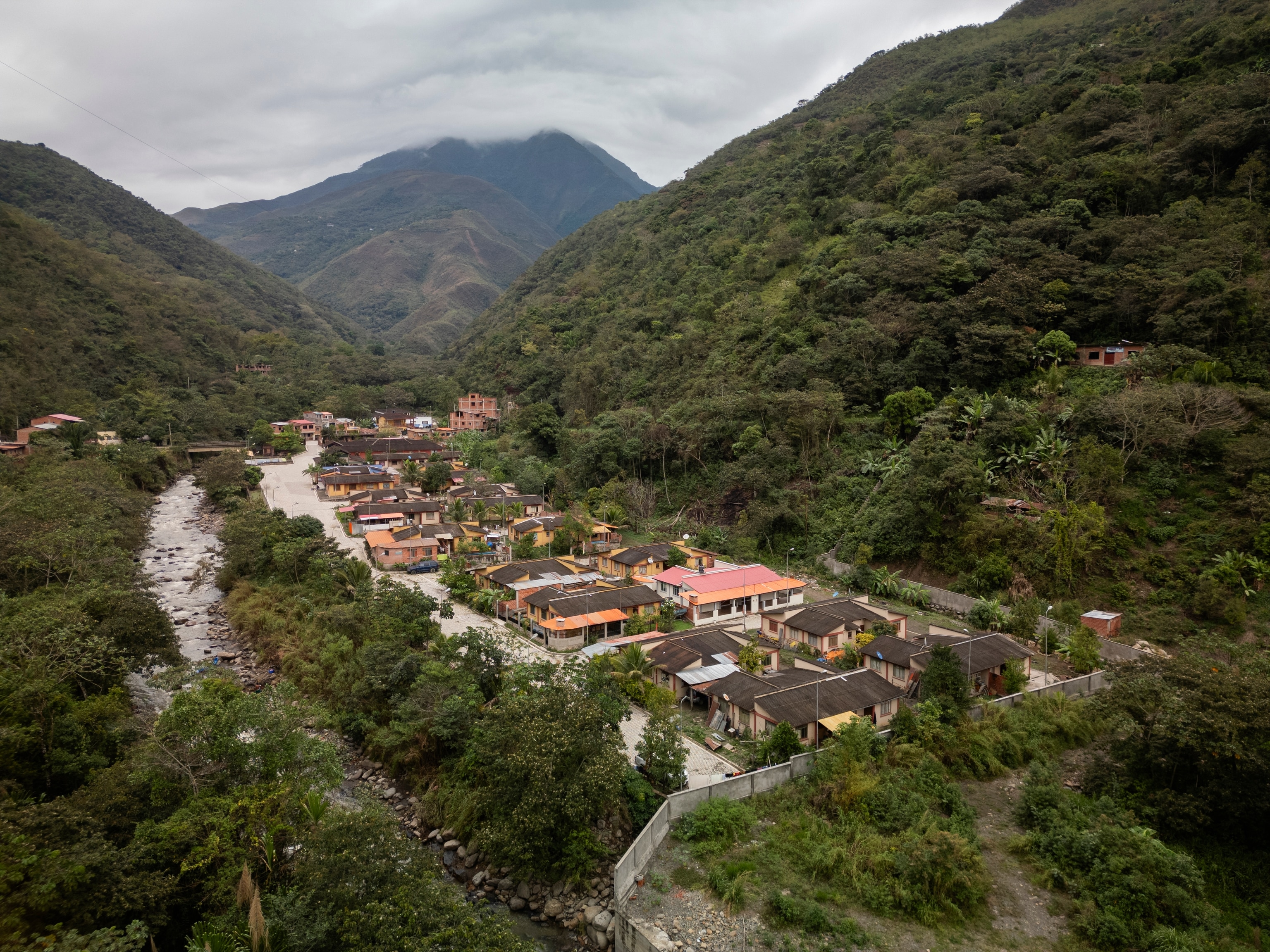
Yolosa, a community near Senda Verde Animal Refuge in the Yungas region of Bolivia. Local communities have long known the newly described species Leopardus tilcayo as “tilcayo,” without knowing that it represented an undescribed species.
“The water looked like chocolate milk, and that was from the mining,” says Joel Sartore, a National Geographic Explorer and photographer who traveled to Senda Verde to film the tilcayo. “Three days later, after the police had come and made them stop, the water was a lot clearer. Not gin-clear, but you could clearly see the difference just by looking at it.”
Illegal mining has traditionally been difficult to root out. But now, with local, regional, and national politicians all eager to protect the tilcayo, the tide may be beginning to turn.
“We are using the tilcayo as a flagship to hopefully get Coroico [the nearby community] free of mining,” says Ossio.
For her part, Nogales-Ascarrunz hopes the cat’s international profile will also make it easier to find funding for the next step—more science to learn more about the tilcayo and how to protect it.
Bolivia isn’t known for its World Cup team, and it’s never won one of the Big Four international beauty pageants, she jokes. “But right now, with science and biodiversity, the whole world is talking about Bolivia."
Jason Bittelis a National Geographic Explorer and author of Grizzled: Love Letters to 50 of North America’s Least Understood Animals.
Fernando Facioleis an award-winning National Geographic Explorer, conservation photographer, and biologist from São Paulo, Brazil.
The nonprofit National Geographic Society, committed to illuminating and protecting the wonder of our world, funded Explorer|&sdata=DldaJj7ybIuHrs/RDkpwWZ3tpiE500z0mJ0aiVwEtcY=&reserved=0Paola Nogales-Ascarrunz’s work.
Related Topics
You May Also Like
TRAVEL ## Meet the Indigenous Women Protecting Peru’s Amazon Rainforest
ANIMALS ## Rare Water Mouse Rediscovered After Almost 100 Years

TRAVEL ## From Etna to Fuji—take on these epic volcano hikes

ANIMALS ## California’s endangered condors have a surprising new foe
TRAVEL ## See Island Weavers at Work in Peru's Lake Titicaca
The best of National Geographic delivered to your inbox
Email Address
Yes! I would like to receive top content, special offers, and other updates from National Geographic and The Walt Disney Family of Companies. By creating an account, you agree to our Terms of Use and acknowledge that you have read our Privacy Policy and US State Privacy Rights Notice.
Follow us National Geographic Instagram National Geographic Facebook National Geographic Twitter National Geographic Youtube National Geographic Linkedin National Geographic Tiktok National Geographic Reddit
United States (Change)

Notice of Right to Opt Out of Sale/Sharing
Some US states provide residents (or their authorized agents) with the right to opt out of “targeted advertising,” “selling,” or “sharing” of personal information, as defined by applicable laws. You can move the toggle to the left and click “Submit” to opt out of such activities occurring through this digital property. If you are logged in, we may be able to associate your choice with your account and apply it to data sharing occurring through this digital property (across your browsers and devices) as well as other digital properties of The Walt Disney Family of Companies. You can confirm the status of your choice or opt out or in by clicking “Do Not Sell or Share My Personal Information” or “Your Privacy Choices” on each property.
Manage Consent Preferences
Selling, Sharing, Targeted Advertising
[x] Selling, Sharing, Targeted Advertising
If you are not logged in, your opt-out will be specific to this property and device or browser. For our other digital properties, to opt out, select “Do Not Sell or Share My Personal Information” or “Your Privacy Choices” on each. If you clear your tracking history or use another browser or device, you’ll need to opt out again.
You can also submit this opt-out form, which may enable us to apply your opt-out more broadly, for example, to stop data sharing in connection with advertising intended to reach you on platforms not operated by Disney (e.g., social media platforms).
You may enable online, where available, a universal tool that automatically communicates your opt-out, such as Global Privacy Control (“GPC”), which we’ll process as if you had opted out through the toggle.
Even if you opt out, you may continue to see advertising, including ads that may be based on personal information processed before you opted out. Please visit Your US State Privacy Rights for more information about your rights and how to exercise them.
Cookie List
Clear
- [x] checkbox label label
Apply Cancel
Consent Leg.Interest
[x] checkbox label label
[x] checkbox label label
[x] checkbox label label
Submit
Enter your email to read this article
Plus, get unlimited access to free National Geographic content
Email Address
SUBMIT
Yes! I would like to receive top content, special offers, and other updates from National Geographic and The Walt Disney Family of Companies. By creating an account, you agree to our Terms of Use and acknowledge that you have read our Privacy Policy and US State Privacy Rights Notice.
Already have an account?