Beginner Bird Photography Tips
Topics—
Latest—

Newly Discovered Monkey Pops Up in Camera Trap Footage

Rare Water Mouse Rediscovered After Almost 100 Years

Striking Photos Reveal the Legacy of Yellowstone’s Wolves

The Hidden Ways Wolves Keep an Ecosystem Healthy
Nat Geo Recommends—
Meet the First New Cat Species Discovered in 100 Years
Topics—
Latest—

Michelangelo and the Tomb that Tormented Him

premium
A Famous Portrait of Anne Boleyn Hides a Strange Secret

premium
Will the Bayeux Tapestry Finally Give Up Its Secrets?
How Sleuths Decoded the Secret Letters of Mary, Queen of Scots

How Sleuths Decoded the Secret Letters of Mary, Queen of Scots
Nat Geo Recommends—
Inside the New Expedition to Find Amelia Earhart's Plane
Topics—
Latest—

England’s Forgotten Castle Trail—And the Woman Behind It

15 Spectacular Journeys by Land, Sea and Sky
Inside the Exclusive-Access Boom in Luxury Travel, From Islands to Palaces

Inside the Exclusive-Access Boom in Luxury Travel, From Islands to Palaces
Musician Kate Nash on Her Irish Heritage and the Reality of Touring

Musician Kate Nash on Her Irish Heritage and the Reality of Touring
Nat Geo Recommends—
Where to Go for a Fall Leaf-Peeping Road Trip
Topics—
Latest—

premium
Rethinking How to Fight the World’s Deadliest Infection

premium
Could the Way You Chew Food Affect Your Dementia Risk?
Can a Controversial Diet Help Treat a Hidden Cause of Migraines?

premium
Can a Controversial Diet Help Treat a Hidden Cause of Migraines?

premium
The Case for Buying Kefir Over Yogurt
Nat Geo Recommends—

Your Neighborhood Could Influence Your Dementia Risk
Science & Nature—
Latest—

Paid Content
From Farm to Future

Life Inside a Sinking City
Scientists Discover a Neuron That May Play a Role in Schizophrenia

premium
Scientists Discover a Neuron That May Play a Role in Schizophrenia

Microplastics Detected in Brazil’s Most Remote Wildlife
Featured—
Watch Nat Geo on Disney+



Watch the Sharkfest collection on Disney+

National Geographic Society—
More—


A Beginner’s Guide to Photographing Birds
Wildlife photographer and ornithologist Tim Laman shares his advice for getting started—right in your own backyard.
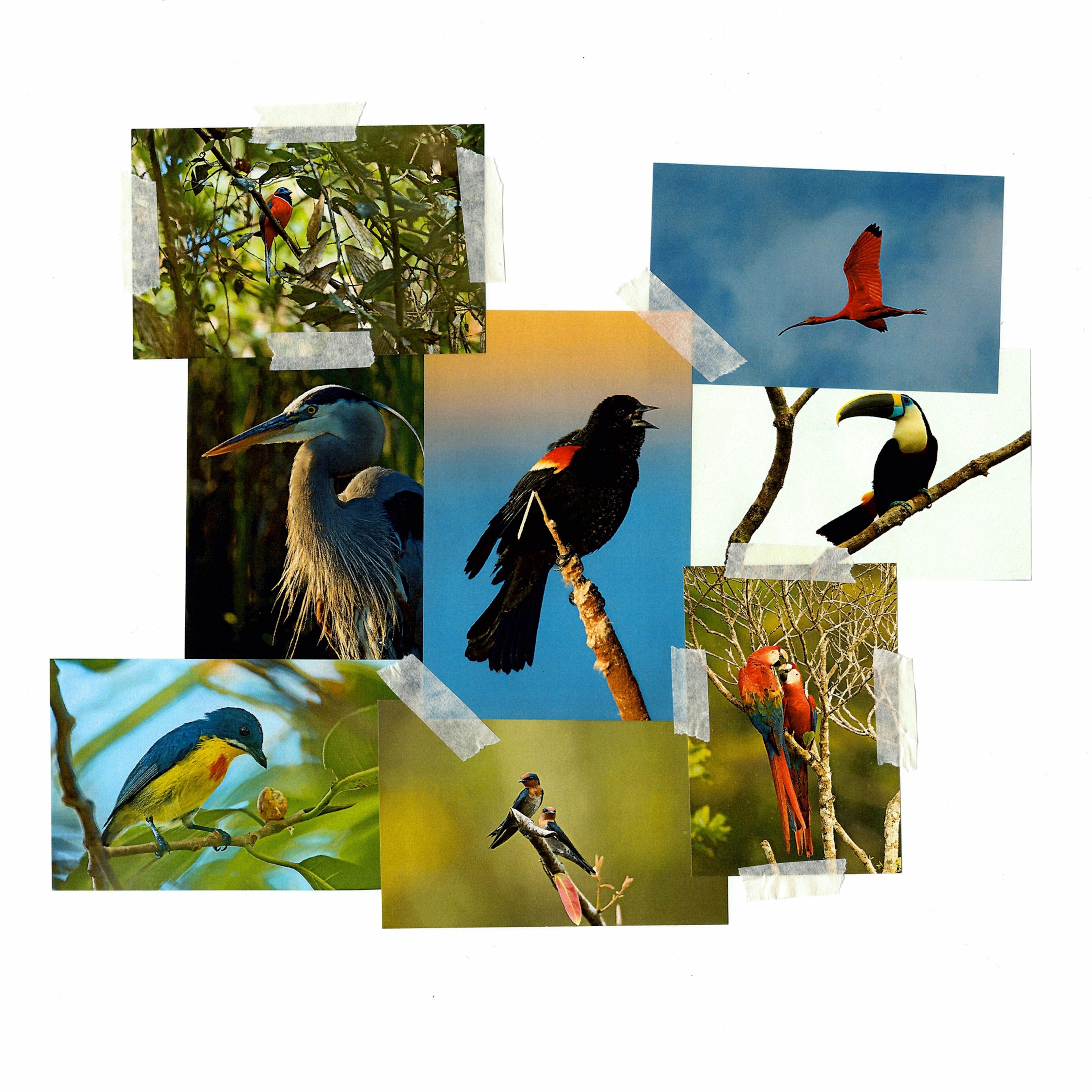
National Geographic photographer Tim Laman has taken some incredible pictures of birds during his travels around the world. But he says aspiring wildlife photographers don't need to leave their own backyards to get creative.
Photo Illustration: NGM Staff; Source Photos for Illustration: Tim Laman, National Geographic Image Collection
Video by Russell Laman
After decades traveling around the globe capturing award-winning wildlife photographs, Tim Laman is no stranger to birds. The ornithologist has shot images of birds of paradise in New Guinea, followed hornbills across Southeast Asia, and snapped pictures of cranes in Japan. Then there were the icy days spent watching penguins in Antarctica, or the time he climbed into the canopy of a kapok tree until he was eye level with the Amazon’s avian community.
But one of Laman’s favorite places to shoot is still his own backyard, where chickadees flit between branches and the drama between species reveals the local pecking order. The mourning doves and house finches that cohabitate in his Massachusetts backyard aren’t the most elusive birds he’s shot—they’re far from it. But few places allow him to get as creative with bird photography as his yard.
“You don't have to go to some exotic location where there are rare birds to be a good bird photographer,” he says.
Laman encourages those just starting out to immerse themselves in their backyards—a place where he’s honed his own craft, experimenting with lighting and composition in a more forgiving environment than the South Pole. Whether shooting endangered species or common yard birds, here are his tips to take bird photography beyond the beginner stage.
Find the Right Lens
It’s easy to roll your eyes when an esteemed photographer touts that the quality of your equipment is irrelevant, but Laman won’t say that. Instead, he emphasizes that the right equipment makes a difference, but it doesn’t have to break the bank.
Some of his own images are proof: The iconic “Bird-of-Paradise Sunrise” photo was made with a camera that can now be purchased for under $200. Laman recommends scouring eBay and other resale sites for used equipment. He also suggests starting off with a telephoto lens that can shoot to a focal length of 100-300 millimeters at a minimum—400 millimeters is even better—which can help capture birds from a distance.
1:52
Get to Know Your Subject
Other than a camera, there’s one weapon in Laman’s photography arsenal that he doesn’t leave home without: binoculars. Use them to observe birds, and over time, you’ll become acquainted with their habits. “I think it's really important to put that time in and become a good naturalist,” Laman says.
The exercise can help you better recognize birds’ same mannerisms with a lens at your side. And, as Laman has learned, sometimes the prime signal for a photo op is not what you might expect.
“Birds almost always poop right before they take off,” Laman explains. “If you're sitting there watching a hawk perching in a tree, and it's just sitting there for a long time, then all sudden, it poops, [that's] a really good clue.”
Don’t Be Afraid of Dramatic Lighting
“Some beginner guides say, ‘Get the light behind you so the subject is well illuminated,’” Laman says. “But that can create really boring lighting.”
Instead, he sometimes prefers to position the light behind the bird. “When they raise their wings, you get this beautiful light coming through.” Laman also notes that dramatic side lighting can create nice shadows—which goes to show that some rules are meant to be broken, and experimentation is always encouraged.
Brave the Weather
Birds don’t just exist on cloudless, sunny days, even if that’s when it’s most enjoyable to shoot. To push yourself out of your comfort zone with your photography skills, try weathering some storms (as long as conditions are safe enough.)
“I love photographing birds in the snow," Laman says. "It creates so much atmosphere and beautiful, clean backgrounds." Plus, precipitation offers a chance to see different bird behaviors, like hunkering down or fluffing up to retain heat.
1:47
Tell a Story
Variety is the spice of life—and it’s also integral to telling stories through photos, according to Laman.
“[Don’t] have all your images have the bird the same size in the frame,” he says. “That's really boring and doesn't tell the story very well. It'd be much better to have a wider shot of the bird in the environment, then maybe a medium shot of some interesting behavior, and then a real shot that shows the details.” And just like that, a narrative is born.
Take Advantage of the Ordinary
There’s a reason Laman has traveled the world and still considers the humble backyard one of the best places to shoot: It challenges you to get creative.
“Everybody knows what a chickadee looks like. Just a chickadee perched there maybe isn't that interesting,” he says. “But if it's perched on a beautiful green bough in a snowstorm, or if it's flying through the air and has its wings totally fanned out, you can get people to go, ‘Wow, I’ve never seen a chickadee like that.”
Helen Bradshaw is a freelance science writer based in Florida. She reports on wildlife and health for National Geographic.
Related Topics
You May Also Like
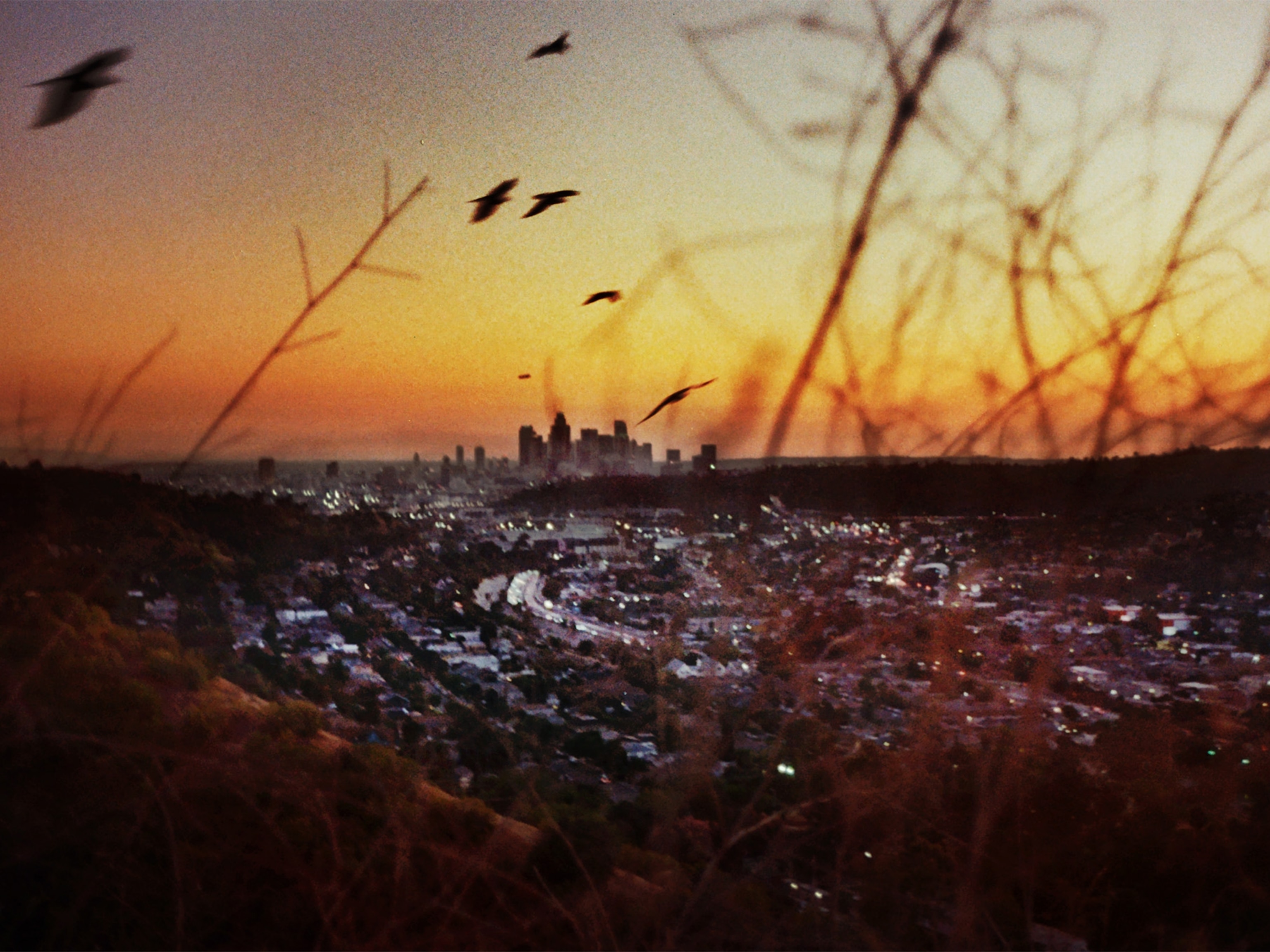
ANIMALS ## Nat Geo's Guide to Birding in La La Land
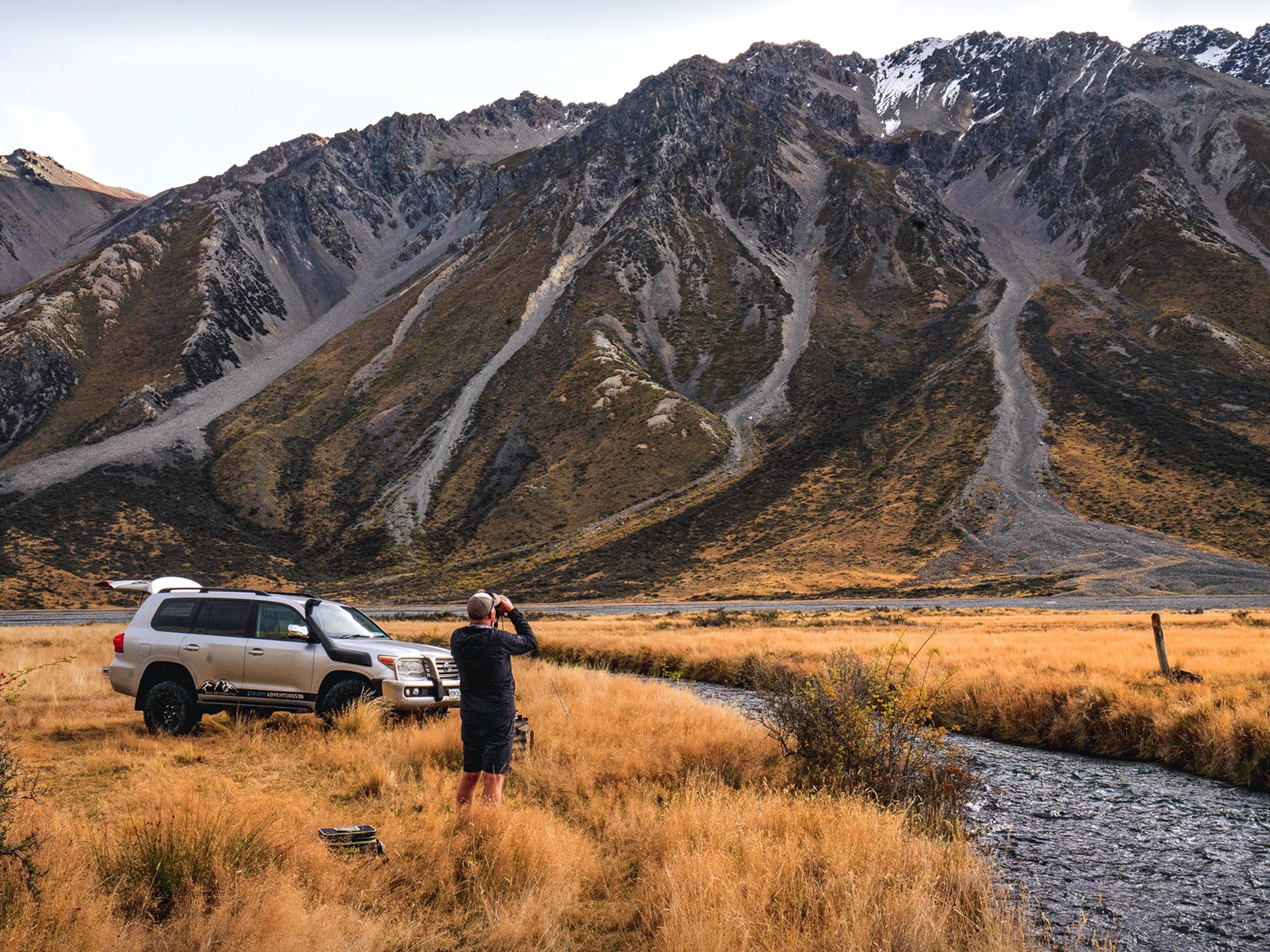
TRAVEL ## Join the search for the world's rarest wading bird in New Zealand
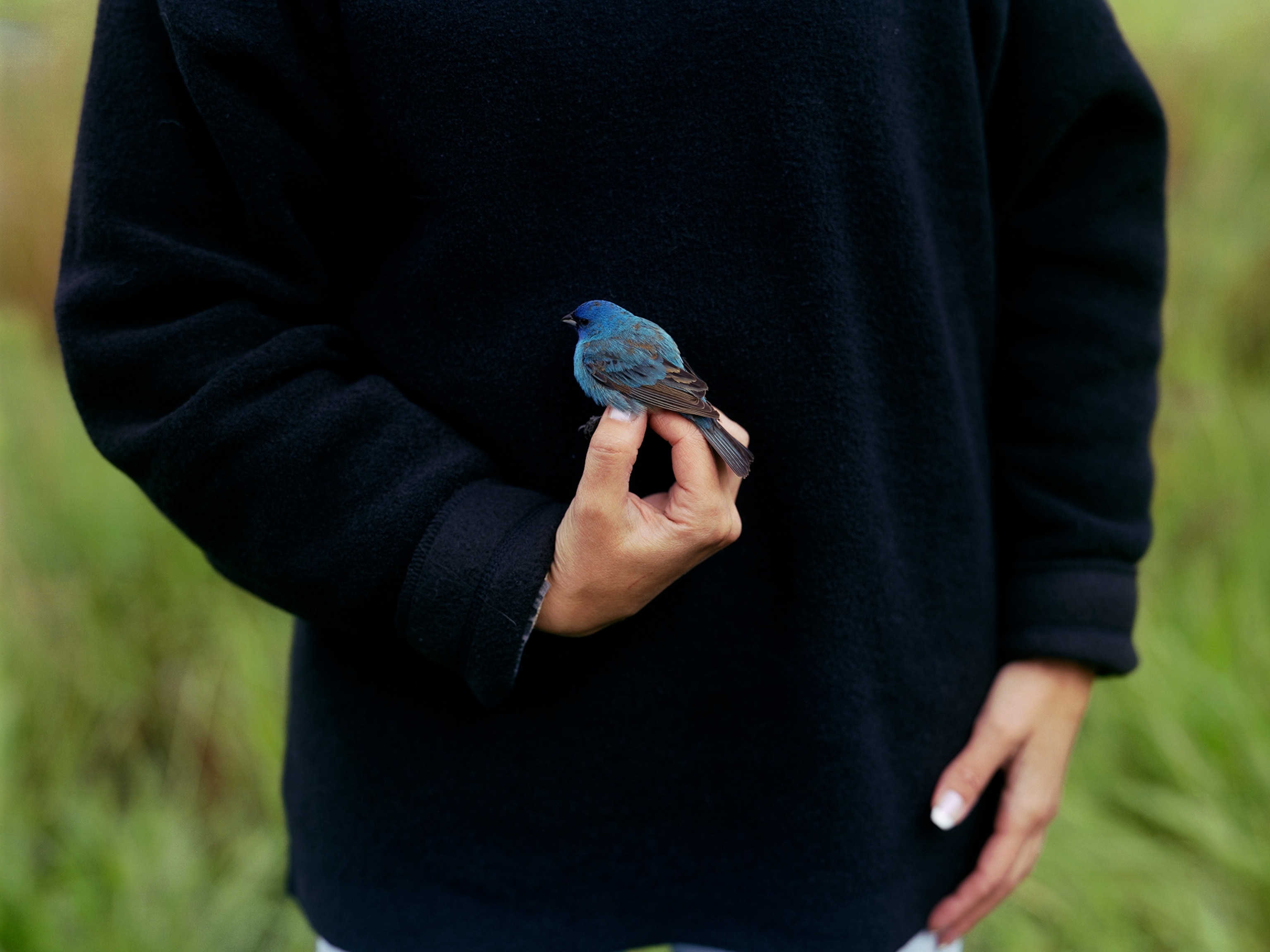
ANIMALS ## The Expert's Guide to Helping Injured Birds

TRAVEL ## Florida’s flamingos are back. Here’s where to see them.

ANIMALS ## Atlantic puffins are returning to shore—here’s how to see them
The best of National Geographic delivered to your inbox
Email Address
Yes! I would like to receive top content, special offers, and other updates from National Geographic and The Walt Disney Family of Companies. By creating an account, you agree to our Terms of Use and acknowledge that you have read our Privacy Policy and US State Privacy Rights Notice.
Follow us National Geographic Instagram National Geographic Facebook National Geographic Twitter National Geographic Youtube National Geographic Linkedin National Geographic Tiktok National Geographic Reddit
United States (Change)

Notice of Right to Opt Out of Sale/Sharing
Some US states provide residents (or their authorized agents) with the right to opt out of “targeted advertising,” “selling,” or “sharing” of personal information, as defined by applicable laws. You can move the toggle to the left and click “Submit” to opt out of such activities occurring through this digital property. If you are logged in, we may be able to associate your choice with your account and apply it to data sharing occurring through this digital property (across your browsers and devices) as well as other digital properties of The Walt Disney Family of Companies. You can confirm the status of your choice or opt out or in by clicking “Do Not Sell or Share My Personal Information” or “Your Privacy Choices” on each property.
Manage Consent Preferences
Selling, Sharing, Targeted Advertising
[x] Selling, Sharing, Targeted Advertising
If you are not logged in, your opt-out will be specific to this property and device or browser. For our other digital properties, to opt out, select “Do Not Sell or Share My Personal Information” or “Your Privacy Choices” on each. If you clear your tracking history or use another browser or device, you’ll need to opt out again.
You can also submit this opt-out form, which may enable us to apply your opt-out more broadly, for example, to stop data sharing in connection with advertising intended to reach you on platforms not operated by Disney (e.g., social media platforms).
You may enable online, where available, a universal tool that automatically communicates your opt-out, such as Global Privacy Control (“GPC”), which we’ll process as if you had opted out through the toggle.
Even if you opt out, you may continue to see advertising, including ads that may be based on personal information processed before you opted out. Please visit Your US State Privacy Rights for more information about your rights and how to exercise them.
Cookie List
Clear
- [x] checkbox label label
Apply Cancel
Consent Leg.Interest
[x] checkbox label label
[x] checkbox label label
[x] checkbox label label
Submit
Enter your email to read this article
Plus, get unlimited access to free National Geographic content
Email Address
SUBMIT
Yes! I would like to receive top content, special offers, and other updates from National Geographic and The Walt Disney Family of Companies. By creating an account, you agree to our Terms of Use and acknowledge that you have read our Privacy Policy and US State Privacy Rights Notice.
Already have an account?