Brain Cell Map Basal Ganglia Neuron Schizophrenia
Topics—
Latest—

Newly Discovered Monkey Pops Up in Camera Trap Footage

Rare Water Mouse Rediscovered After Almost 100 Years

Striking Photos Reveal the Legacy of Yellowstone’s Wolves

The Hidden Ways Wolves Keep an Ecosystem Healthy
Nat Geo Recommends—

Meet the First New Cat Species Discovered in 100 Years
Topics—
Latest—

premium
A Famous Portrait of Anne Boleyn Hides a Strange Secret

premium
Will the Bayeux Tapestry Finally Give Up Its Secrets?
How Sleuths Decoded the Secret Letters of Mary, Queen of Scots

How Sleuths Decoded the Secret Letters of Mary, Queen of Scots

premium
This Military Mistake Nearly Cost Ancient Athens Everything
Nat Geo Recommends—

Inside the New Expedition to Find Amelia Earhart's Plane
Topics—
Latest—
Inside the Exclusive-Access Boom in Luxury Travel, From Islands to Palaces

Inside the Exclusive-Access Boom in Luxury Travel, From Islands to Palaces
Musician Kate Nash on Her Irish Heritage and the Reality of Touring

Musician Kate Nash on Her Irish Heritage and the Reality of Touring

7 Classic Food Experiences to Try in Marseille

Is This the Most Glamorous Event in the Alpine Calendar?
Nat Geo Recommends—

Where to Go for a Fall Leaf-Peeping Road Trip
Topics—
Latest—

premium
Could the Way You Chew Food Affect Your Dementia Risk?
Can a Controversial Diet Help Treat a Hidden Cause of Migraines?

premium
Can a Controversial Diet Help Treat a Hidden Cause of Migraines?

premium
The Case for Buying Kefir Over Yogurt
There's a Critical Window in Your 50s for Preserving Body Strength
premium
There's a Critical Window in Your 50s for Preserving Body Strength
Nat Geo Recommends—

Your Neighborhood Could Influence Your Dementia Risk
Science & Nature—
Latest—

Paid Content
From Farm to Future

Life Inside a Sinking City
Scientists Discover a Neuron That May Play a Role in Schizophrenia

premium
Scientists Discover a Neuron That May Play a Role in Schizophrenia

Microplastics Detected in Brazil’s Most Remote Wildlife
Featured—
Watch Nat Geo on Disney+



Watch the Sharkfest collection on Disney+

National Geographic Society—
More—


Premium
Scientists Discover a Neuron That May Play a Role in Schizophrenia
A new 3D map of the brain's movement center is already generating discoveries.
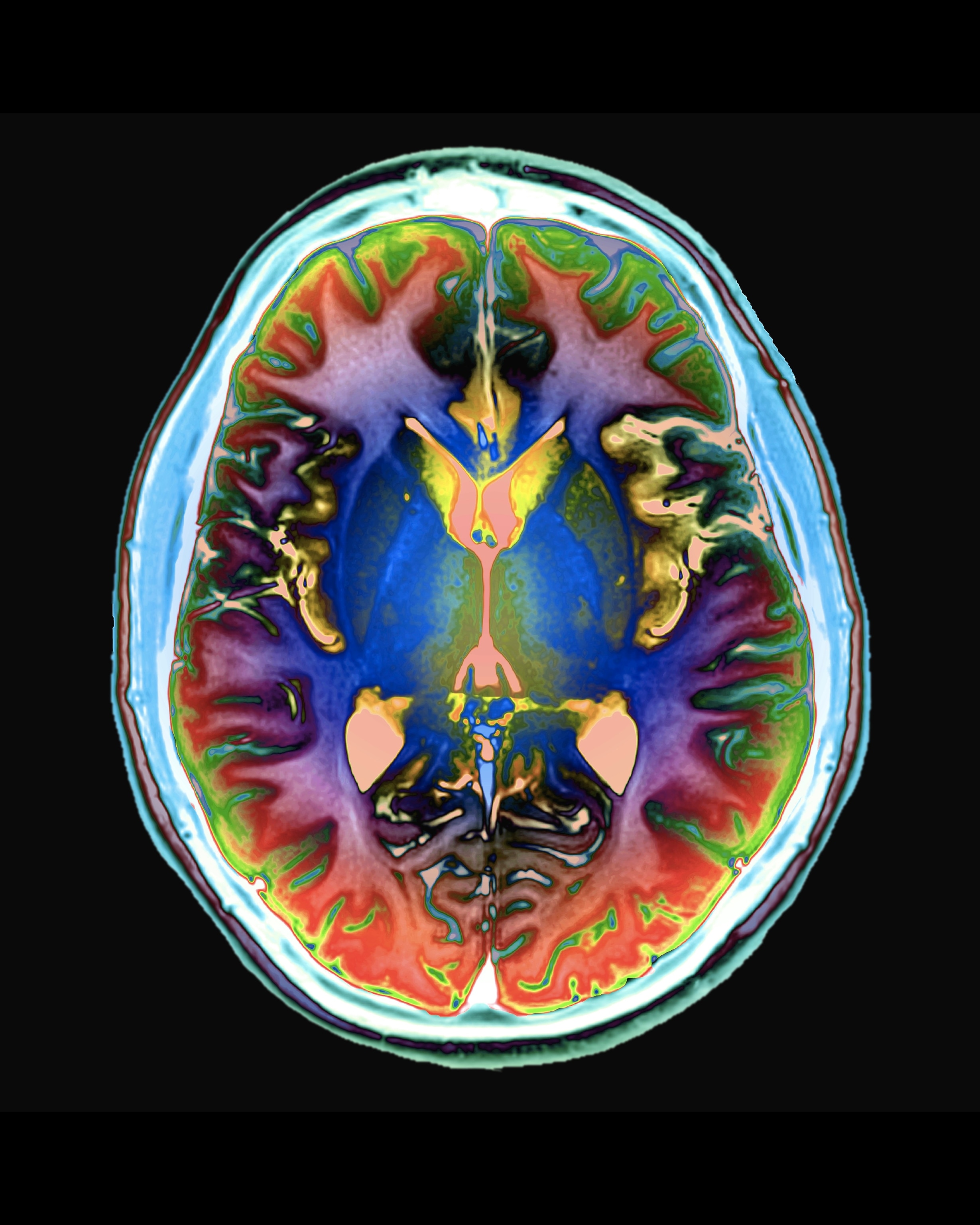
A massive effort to map the brain’s cell populations is giving scientists a more detailed picture of its inner workings and new ways to investigate conditions such as schizophrenia.
ZEPHYR/SCIENCE PHOTO LIBRARY
A variety of psychiatric diseases—schizophrenia, depression, and addiction—have roots in part of the brain typically associated with movement known as the basal ganglia. Neuroscientists aren’t sure exactly how dysfunctions become disease or which specific nerve cells are involved, but a new map of the region’s cells and their genes could help solve those mysteries. Among those cells is a newly identified rare subtype of neuron potentially associated with the genetic risk of developing schizophrenia.
The new map, which took 10 years to create, is part of an effort by hundreds of scientists around the world who are trying to create a detailed 3D genetic map of the brain. The effort, known as the BRAIN Initiative Cell Atlas Network, has been likened to the Human Genome Project, and the basal ganglia was their first step. The results were published November 12 in a collection of nearly 30studies01281-X) in the journal Cell.
The special neuron potentially connected to schizophrenia is “a great example of the types of observations that can be mined from this incredibly rich dataset,” says neuroscientist Talia Lerner at Northwestern University who was not involved in the work. But at the same time, she says, “follow-up studies would be needed to better understand the link to disease.”
(Schizophrenia in women is widely misunderstood—and misdiagnosed.)
Scientists focused on the basal ganglia because they wanted to better understand what types of cells make up its structures, how similar they are between humans and other primate species, and whether identifying their characteristics could help researchers better understand psychiatric disorders.
“The biggest gap in the community is the lack of a common understanding of how many cell types are in the human brain and whether we ever have gained a comprehensive understanding or not,” says Hongkui Zeng, a molecular and cell biologist who is the executive vice president of the Allen Institute. The ultimate goal of creating this “cell-type atlas,” she says, is for the entire research community to use it to guide their own work from now on.
To make the map, the researchers studied 25.5 million individual cells obtained from brain tissue, including 21.0 million cells from humans, 3.0 million from rhesus and cynomolgus macaques, and 1.5 million from common marmosets. With this information, scientists mapped different cells’ location and identified which genes within them were active—which serve as a reference for studying the brain andwhat makes human brains unique.
Studying how human brain cells function is extremely complicated, mainly because some experiments that could show the cell’s functioning cannot be performed on living human brains. At the same time, studies of postmortem brain tissue cannot provide a complete picture of how cells actually function. “The ability to study the human brain itself is very very limited,” Zeng says. That is why studies using animal models from different species are the best way to understand the different regions of the brain and their cells, how they interact with each other, how they generate all kinds of behavior and cognition, and how those functions change under disease conditions, she says.
You May Also Like
HEALTH ## Mouse evidence suggests lithium could treat Alzheimer’s

SCIENCE ## Can psychedelics treat people with a severe brain injury?

SCIENCE ## What triggers morning migraines? Scientists might now know.
A full picture of the cells that populate different parts of the brain is key to those studies, as well. Labs used the atlas to examine various disease connections, including genes linked to autism, an updated gene therapy for Parkinson’s, and a better understanding of aging in the brain.
One of the groups, led by neuroscientist Nelson Johansen of the Allen Institute, sequenced genetic material from a fraction of cells in the new atlas across humans, macaques, and marmosets. Their analysis revealed which neurons remained unchanged through primate evolution and which ones had new and different characteristics—pointing to the biological mechanisms behind psychiatric disorders in people.
In their analysis, they found a rare type of neuron01256-0) called STR D2 SMYD2-HTR7 that’s located in the striatum, one of the points where information enters the basal ganglia. The nerve cell carried a combination of genes that caught the scientists’ attention. These genes encode receptors that pick up signals from two neurotrasmitters, dopamine and serotonin, both of which are linked in some way to schizophrenia.
Antipsychotic medications mainly target the D2 dopamine receptors. By reducing their activity, these drugs help control hallucinations and delusions. The serotonin receptor HTR7, on the other hand, has attracted neuroscientists’ attention because it helps regulate mood and cognition, and blocking it with medication helps treating mood, anxiety and other cognitive symptoms.
Johansen and his team compared the cellular data fromthe striatum with large genetic studies of psychiatric disorders and found that genetic risk for schizophrenia was significantly enriched in thisgroup of nerve cells. Although this doesn’t mean that the neurons are directly involved in the disease, Johansen says, future studies should focus on understanding how they interact with other brain cells, whether their activity differs in people with schizophrenia, and whether manipulating them influences disease processes.
Similar methods have previously helped identify other cells potentially associated with schizophrenia. That means “there's a very good chance that the findings are true,” says psychiatrist Laramie Duncanat Stanford University who was not affiliated with the atlas work. “These are cell types that probably truly are important for psychiatric disease.”
Although this is only a first step toward developing treatments in the future, the creation of the new atlas “is a big deal,” Duncan says. Many cell populations are involved simultaneously in the development of psychiatric conditions, and trying to target just one to understand them is almost impossible. The new atlas provides labels that scientists can use to identify those cell types and could eventually help them develop experimental tools that would allow them to manipulate specific targeted cell populations, she says.
For Lerner, an interesting possibility is that scientists could now target specific types of nerve cells through combinations of drugs, brain stimulation, and behavioral interventions. By designing therapies that combine these approaches, scientists could achieve much greater specificity targeting neurons, and the information from an atlas like this one will be one piece of the larger picture of how to treat psychiatric disorders comprehensively, she says. “The more we know about which factors disease-relevant neurons may be responsive to, the more we can fit them into a circuit and think about how to target them for treatment.”
Humberto Basilio is a science and environmental journalist based in Mexico City. His work has been published in The New York Times,Scientific American,Science,Nature, and more.
Related Topics
You May Also Like

SCIENCE ## Psychedelics may help treat PTSD—and the VA is intrigued
HEALTH ## Could a change in diet improve mental health?


HEALTH ## Are these brain cells the key to treating trauma and anxiety?

HEALTH ## The Genetics of Being a Lightweight Drinker
The best of National Geographic delivered to your inbox
Email Address
Yes! I would like to receive top content, special offers, and other updates from National Geographic and The Walt Disney Family of Companies. By creating an account, you agree to our Terms of Use and acknowledge that you have read our Privacy Policy and US State Privacy Rights Notice.
Follow us National Geographic Instagram National Geographic Facebook National Geographic Twitter National Geographic Youtube National Geographic Linkedin National Geographic Tiktok National Geographic Reddit
United States (Change)

Notice of Right to Opt Out of Sale/Sharing
Some US states provide residents (or their authorized agents) with the right to opt out of “targeted advertising,” “selling,” or “sharing” of personal information, as defined by applicable laws. You can move the toggle to the left and click “Submit” to opt out of such activities occurring through this digital property. If you are logged in, we may be able to associate your choice with your account and apply it to data sharing occurring through this digital property (across your browsers and devices) as well as other digital properties of The Walt Disney Family of Companies. You can confirm the status of your choice or opt out or in by clicking “Do Not Sell or Share My Personal Information” or “Your Privacy Choices” on each property.
Manage Consent Preferences
Selling, Sharing, Targeted Advertising
[x] Selling, Sharing, Targeted Advertising
If you are not logged in, your opt-out will be specific to this property and device or browser. For our other digital properties, to opt out, select “Do Not Sell or Share My Personal Information” or “Your Privacy Choices” on each. If you clear your tracking history or use another browser or device, you’ll need to opt out again.
You can also submit this opt-out form, which may enable us to apply your opt-out more broadly, for example, to stop data sharing in connection with advertising intended to reach you on platforms not operated by Disney (e.g., social media platforms).
You may enable online, where available, a universal tool that automatically communicates your opt-out, such as Global Privacy Control (“GPC”), which we’ll process as if you had opted out through the toggle.
Even if you opt out, you may continue to see advertising, including ads that may be based on personal information processed before you opted out. Please visit Your US State Privacy Rights for more information about your rights and how to exercise them.
Cookie List
Clear
- [x] checkbox label label
Apply Cancel
Consent Leg.Interest
[x] checkbox label label
[x] checkbox label label
[x] checkbox label label
Submit
Endless exploration for as low as $1/month
This story is exclusively for Nat Geo subscribers. Subscribe now and get a FREE LIMITED-EDITION TOTE. Cancel anytime.
Already a Subscriber?