Ethiopia Water Mouse Extinct Rediscovery
Topics—
Latest—

Newly Discovered Monkey Pops Up in Camera Trap Footage

Rare Water Mouse Rediscovered After Almost 100 Years

Striking Photos Reveal the Legacy of Yellowstone’s Wolves

The Hidden Ways Wolves Keep an Ecosystem Healthy
Nat Geo Recommends—
Meet the First New Cat Species Discovered in 100 Years
Topics—
Latest—

Michelangelo and the Tomb that Tormented Him

premium
A Famous Portrait of Anne Boleyn Hides a Strange Secret

premium
Will the Bayeux Tapestry Finally Give Up Its Secrets?
How Sleuths Decoded the Secret Letters of Mary, Queen of Scots

How Sleuths Decoded the Secret Letters of Mary, Queen of Scots
Nat Geo Recommends—

Inside the New Expedition to Find Amelia Earhart's Plane
Topics—
Latest—

England’s Forgotten Castle Trail—And the Woman Behind It

15 Spectacular Journeys by Land, Sea and Sky
Inside the Exclusive-Access Boom in Luxury Travel, From Islands to Palaces

Inside the Exclusive-Access Boom in Luxury Travel, From Islands to Palaces
Musician Kate Nash on Her Irish Heritage and the Reality of Touring

Musician Kate Nash on Her Irish Heritage and the Reality of Touring
Nat Geo Recommends—

Where to Go for a Fall Leaf-Peeping Road Trip
Topics—
Latest—

premium
Rethinking How to Fight the World’s Deadliest Infection

premium
Could the Way You Chew Food Affect Your Dementia Risk?
Can a Controversial Diet Help Treat a Hidden Cause of Migraines?

premium
Can a Controversial Diet Help Treat a Hidden Cause of Migraines?

premium
The Case for Buying Kefir Over Yogurt
Nat Geo Recommends—

Your Neighborhood Could Influence Your Dementia Risk
Science & Nature—
Latest—

Paid Content
From Farm to Future

Life Inside a Sinking City
Scientists Discover a Neuron That May Play a Role in Schizophrenia

premium
Scientists Discover a Neuron That May Play a Role in Schizophrenia

Microplastics Detected in Brazil’s Most Remote Wildlife
Featured—
Watch Nat Geo on Disney+


Watch the Sharkfest collection on Disney+

National Geographic Society—
More—


Scientists Thought This Amphibious Mouse Was Extinct. After Almost a Century, It's Reappeared.
Little is known about the rodent, aside from the fact that it frequents murky waterways. Once confirmed, the new find could reveal more about its life history.
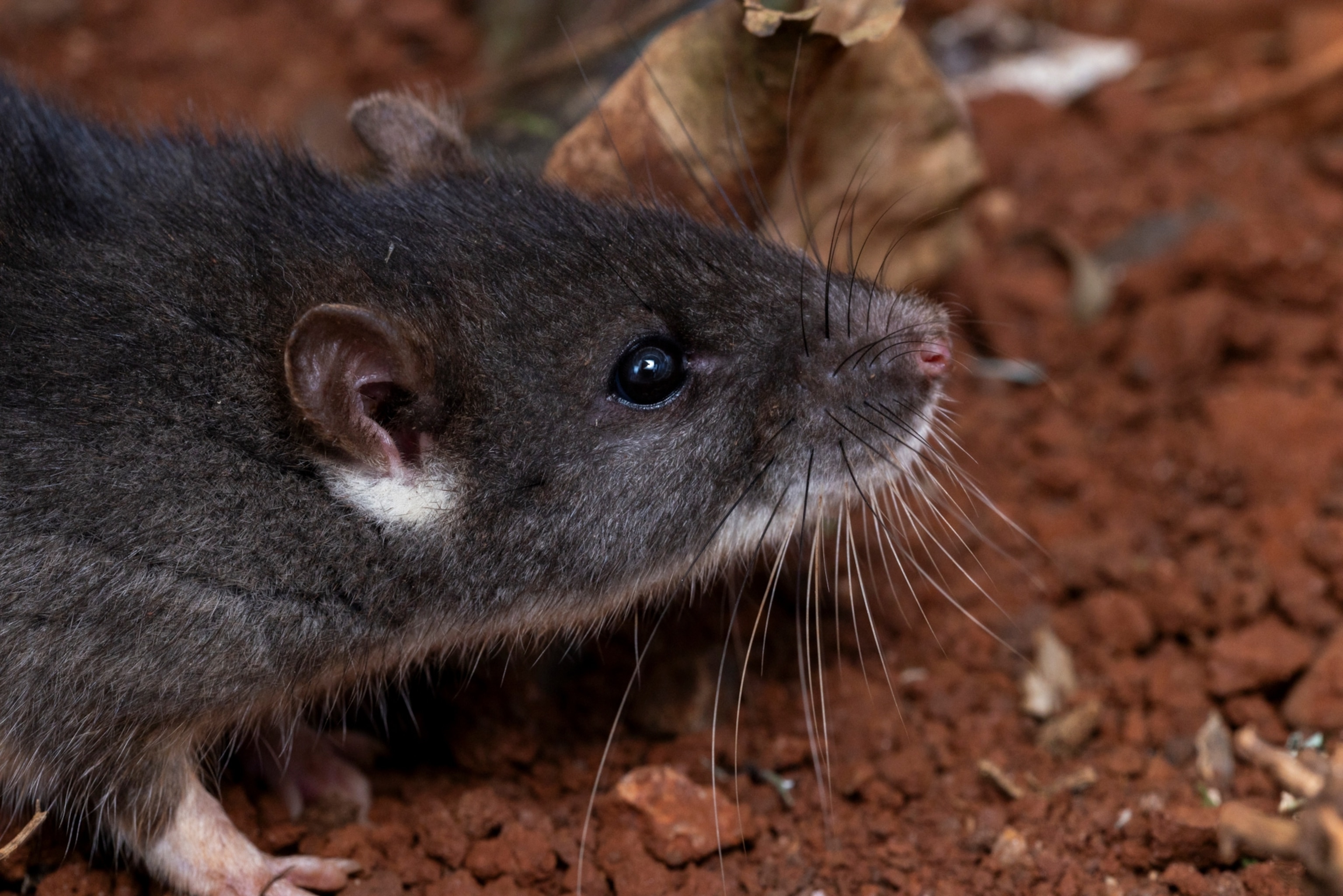
Researchers say they have rediscovered the Ethiopian water mouse(Nilopegamys plumbeus), long presumed extinct and photographed here under controlled conditions.
Photographs by Bruno D'Amicis/ NABU
The Ethiopian water mouse (Nilopegamys plumbeus) has never been a household name—even in Ethiopia.
In fact, when the species was discovered in 1927 and formally described the following year, a single specimen was all researchers had to go on. And after that discovery, the mouse was never seen in the wild again, and when most of its habitat was lost to agriculture, it was presumed extinct.
So it came as a total shock when Mengistu Wale, an ecologist at the Ethiopian Biodiversity Institute, checked one of his traps during a biodiversity survey and saw a large, brown, beady-eyed amphibious rodent staring back at him.
“When I saw it for the first time, I was very excited,” says Wale. “I was 95 percent sure it was Nilopegamys.” Unlike many other native rodent species, Nilopegamys has rather conspicuous white spots behind its ears—a dead giveaway to its identity.
As an expert on Ethiopian mammals, Wale was well aware of the water mouse and concerned that it had seemingly disappeared. And for this reason, he often places traps along waterways and within wetland habitats, just in case. But even he didn’t expect to come face-to-face with the lost mammal.
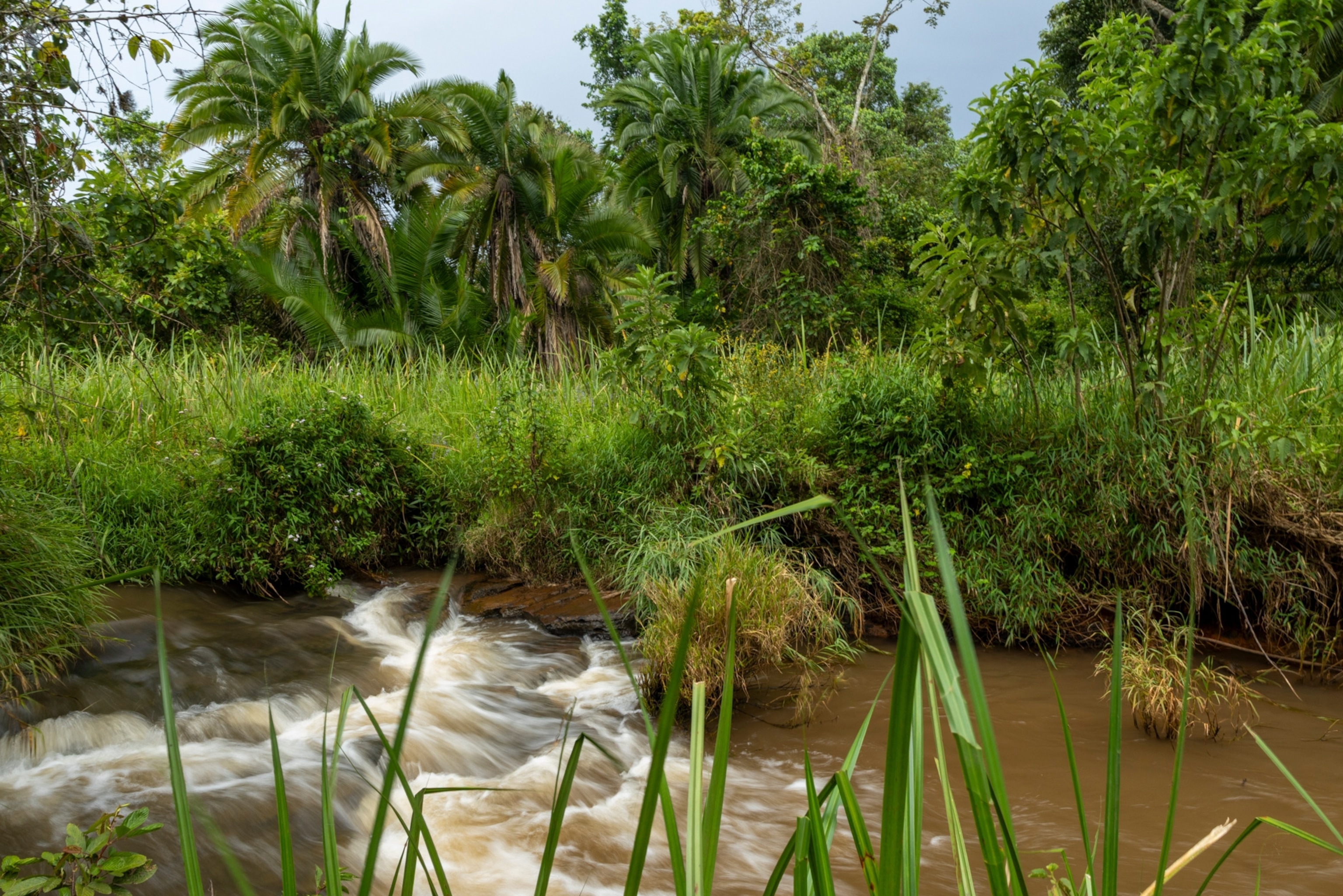
Contrary to its enigmatic reputation, the rodent was found in a stream near a village where people often wash their clothes.
Amazingly, Wale and his colleagues then captured two more specimens, and by comparing the animals’ features to those in the 1928 description, they believe they can say with confidence that the rodents belong to the long-lost species. The team plans to announce their find on November 10, but genetic tests are also underway that will solidify the discovery.
“If confirmed, this would be remarkable news,” says Thomas Giarla, a mammalogist from Siena University who was not part of the biodiversity survey. “While I look forward to seeing the detailed verification data, Nilopegamys is distinctive enough that an expert visual assessment may well hold up,” he says. “If validated, it’s a thrilling reminder of how much tropical biodiversity remains hidden in plain sight!”
Part of what made the discovery so unexpected is where it happened. The Ethiopian water mouse was originally found in Northern Ethiopia, but past searches of the original collection site had all been “fruitless,” says Giarla. Instead, the new specimens were discovered in the Transition Zone of the Yayu Coffee Forest Biosphere Reserve, an area in South-Western Ethiopia that’s one of the few remaining areas of intact Afromontane rain forests, as well as one of the last places on earth where wild arabica, one of the plants that produces coffee beans, grows.
“What was quite fascinating was it was not in the middle of the reservation, but it was in fact close to the agricultural landscape next to the village,” says Alena Fornuskova, a mammalogist at the Institute of Vertebrate Biology of the Czech Academy of Sciences. “It was in the stream where people were washing their clothes on the exact same spot.”
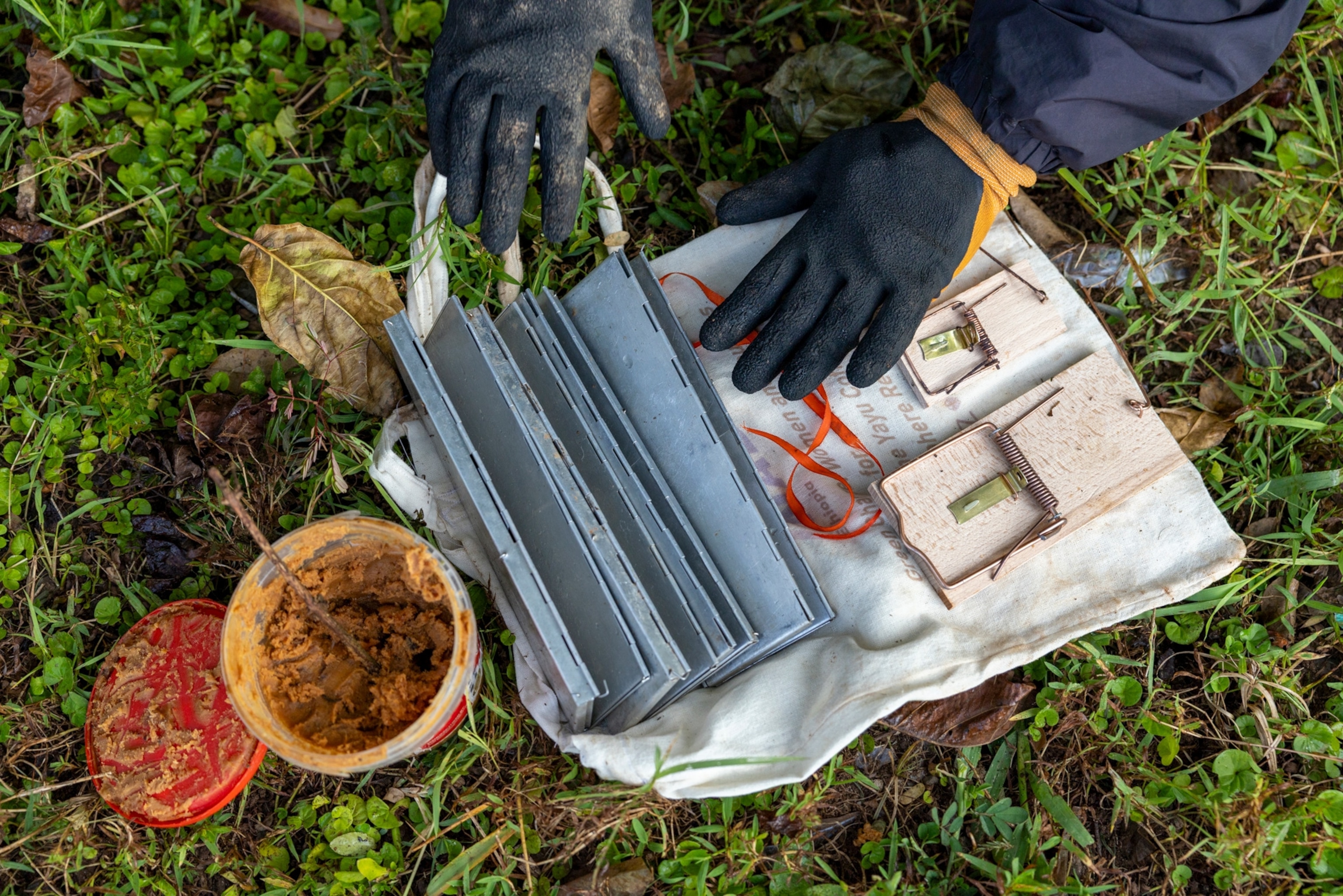
Getachew Mulualem prepares traps, baited with peanut butter, to catch small mammals in Ethiopia's Yayu Biosphere Reserve.
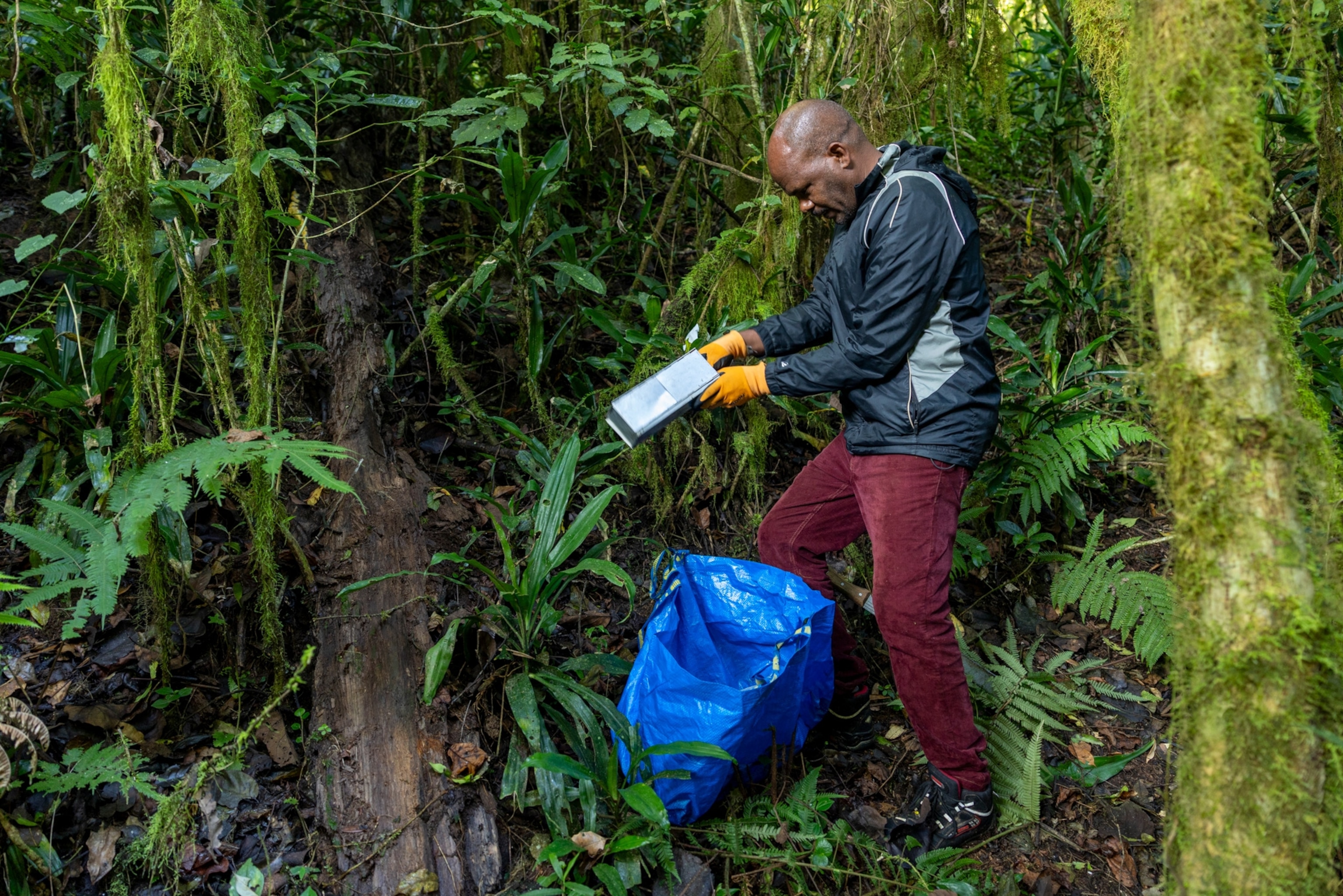
Mengistu Walle checks traps for small mammals as part of the team's biodiversity survey.
With so few specimens and no natural history observations, it’s difficult to say much about a rodent that spends its life submerged in murky waterways. Even the team’s local guides, who are well-versed in many native, crop-raiding rodents, knew nothing of the water mouse. However, the mammal’s anatomy does hold some interesting clues about its life history.
Dense, silky fur may help the animal stay afloat while in water, for instance, while large hind feet may act like paddles. What’s more, “a large brain, swollen muzzle and extensive vibrissae [or whiskers] which may form a sonar system for detecting aquatic invertebrates,” according to the IUCN SSC Small Mammal Specialists Group.
The scientists believe the water mouse may survive by hunting insects and possibly fish, but Wale says it was lured into the trap with regular ol’ peanut butter.
The fact that the rodent was found near people suggests that it may not be as vulnerable to development as once thought, says Fornuskova. However, habitat remains a major concern for the species—the northern habitat where the species was originally found seems to have been nearly entirely converted to areas more conducive to livestock tending.
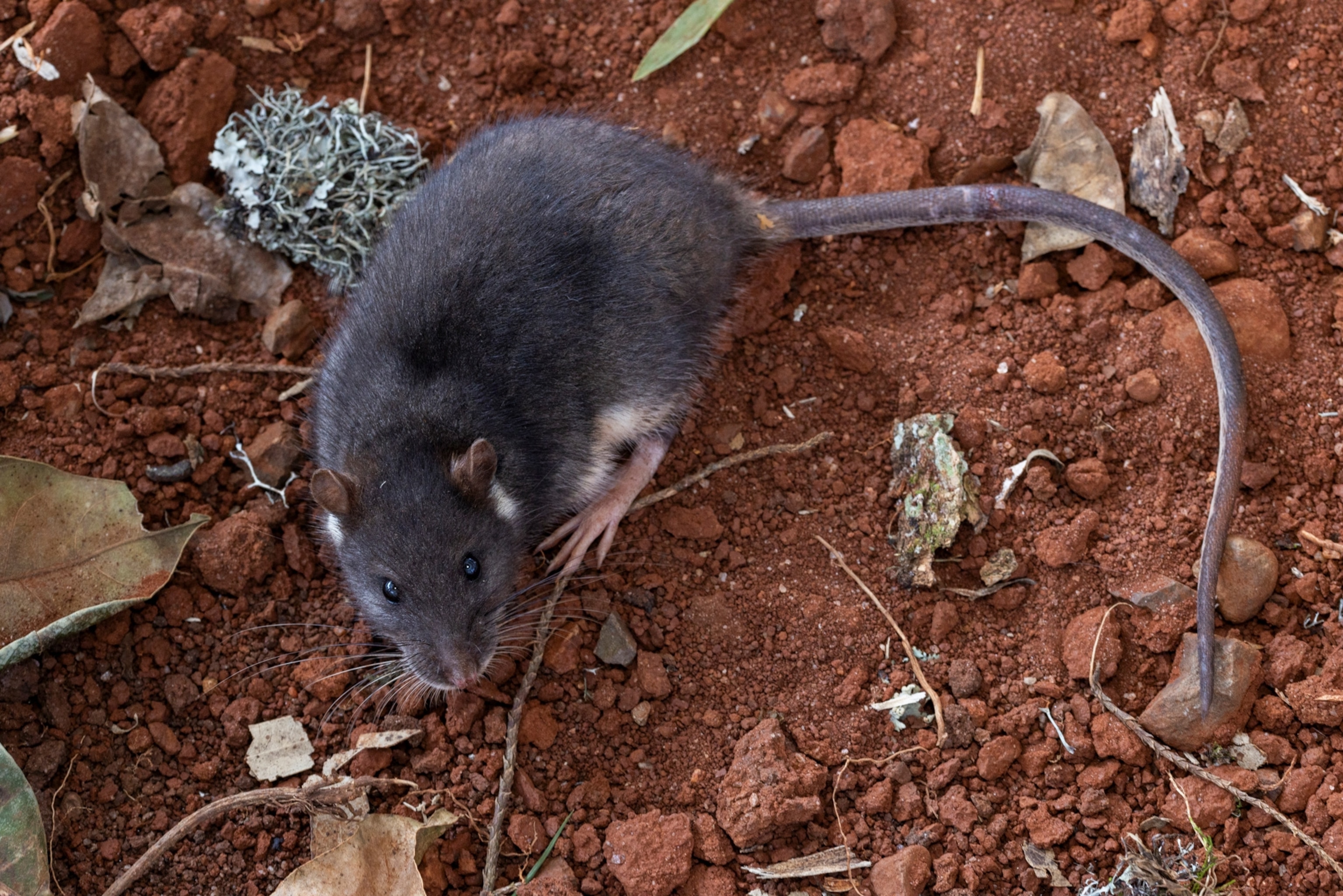
Nilopegamys plumbeus has some key adaptations for an amphibious lifestyle: dense fur, a large brain, a swollen muzzle, and extensive whiskers.
When people think about rare or endangered species, rodents don’t tend to be top of mind. But there are more than 2,000 rodent species on the planet today, and nearly one-quarter of those are of conservation concern.
You May Also Like

ANIMALS ## Watch a mole-rat 'farmer' at work
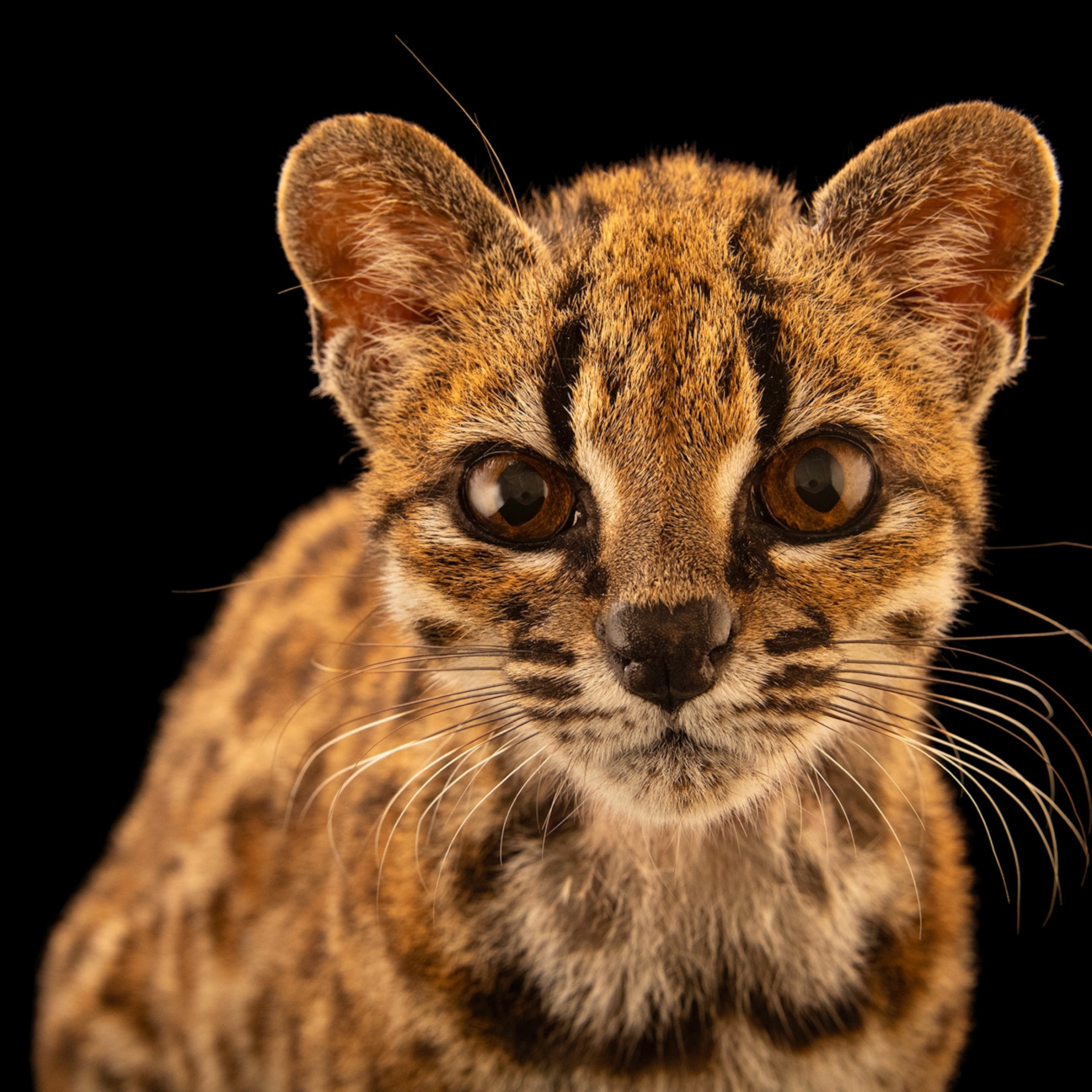
ANIMALS ## Meet the First New Cat Species Discovered in 100 Years
ANIMALS ## Thinking About Plague? Consider the Marmot.
And Ethiopia is a good example of how these threatened creatures may survive out of sight, even when experts are looking for them—a few years ago, researchers also discovered a new genus of rodent called Chingawaemys in the nearby Chingawa Forest.
With limited funding, conservationists can only spend so much time looking, as well. The expedition that re-discovered the amphibious rat was the first comprehensive faunal survey of its kind in the biosphere reserve, says Getachew Mulualem, a mammalogist also with the Ethiopian Biodiversity Institute. “There is still a lot of biodiversity hidden in these forests that we have yet to document and understand,” he says.
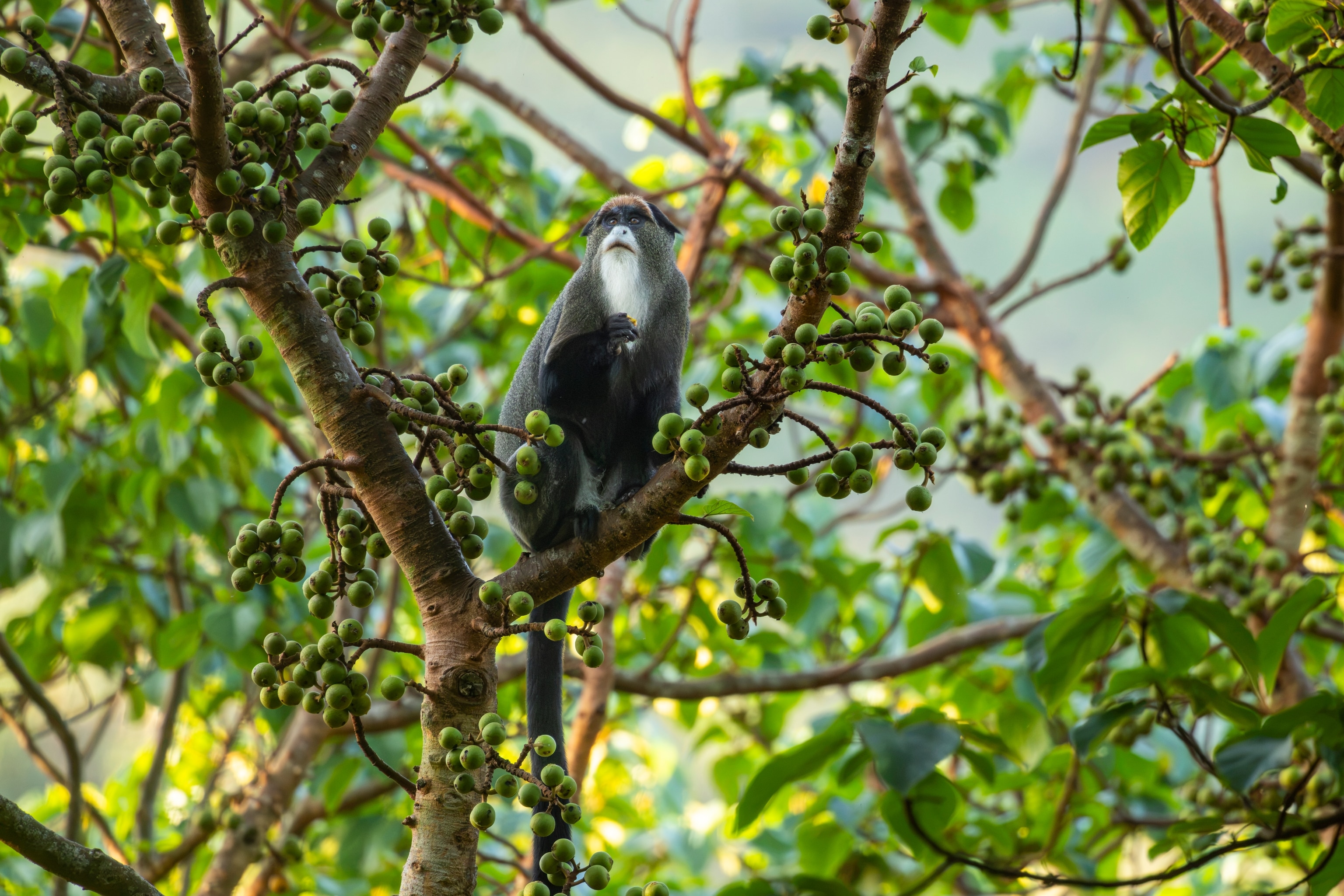
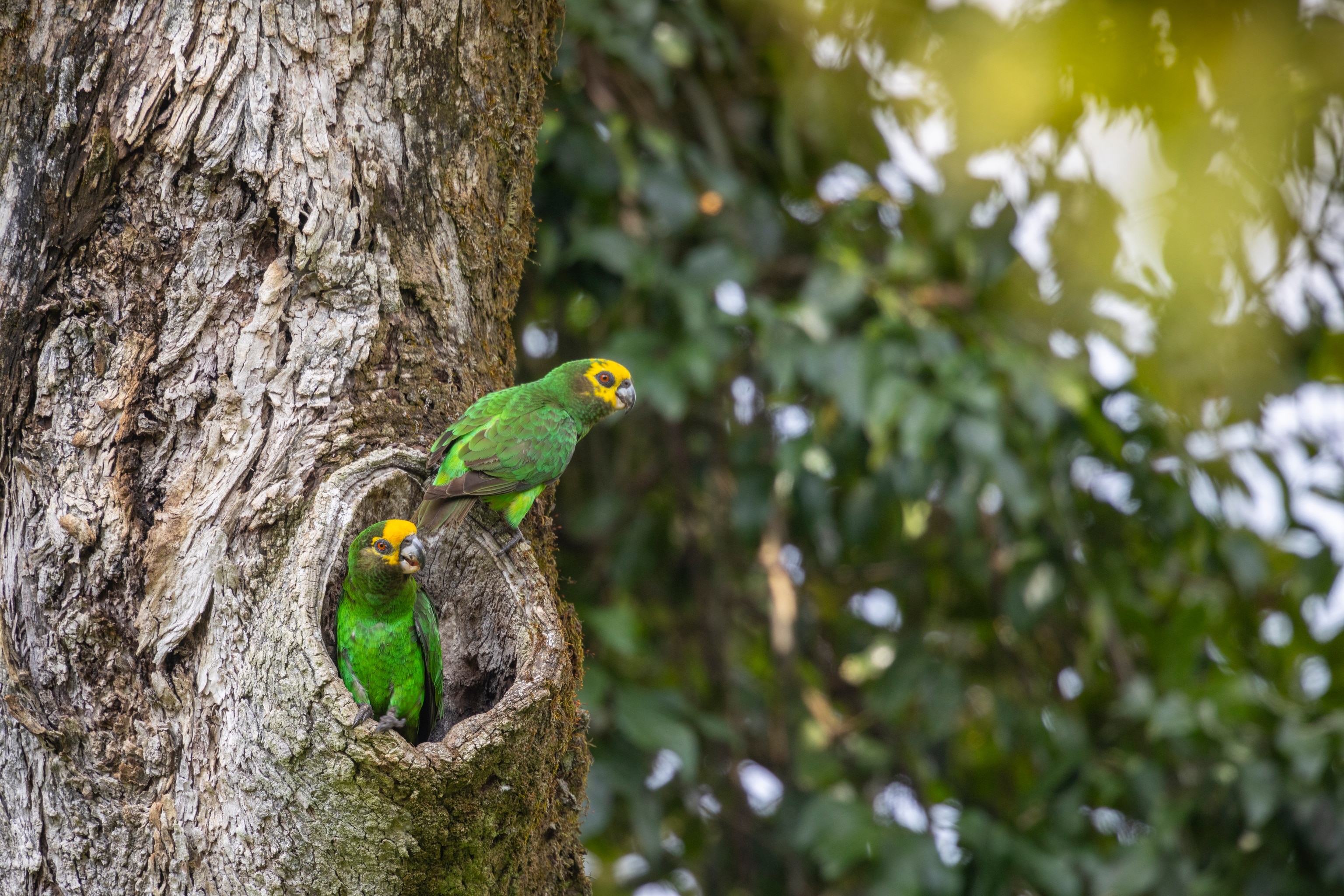
In Yayu Biosphere Reserve, Ethiopia, a De Brazza’s monkey feeds in a fig tree as yellow-fronted parrots, endemic to the Ethiopian Highlands, move through the canopy—part of the reserve’s fragile biodiversity, where the Ethiopian amphibious mouse was recently rediscovered.
While no one had seen the Ethiopian water mouse in nearly a century, the species was still classified as critically endangered by the International Union for Conservation of Nature.
“Small, semi-aquatic mammals are notoriously elusive because standard mammal surveys tend to rely on dry-land traps, so aquatic species easily go undetected,” says Giarla, who, in 2021, extracted DNA from the original Nilopegamys specimen to help figure out its place in the rodent family tree.
But now that it’s back, the researchers hope to learn more about the water mouse’s lifestyle, using metabarcoding techniques to discover what it ate recently, says Fornuskova.
And the mouse may be one of many surprises hiding in plain sight in Ethiopia’s remote forest ecosystems, Mulualem notes. “If we conduct more comprehensive surveys across additional localities and habitats, I am confident that many more surprises, including potentially new species and important range extensions, are waiting to be discovered.”
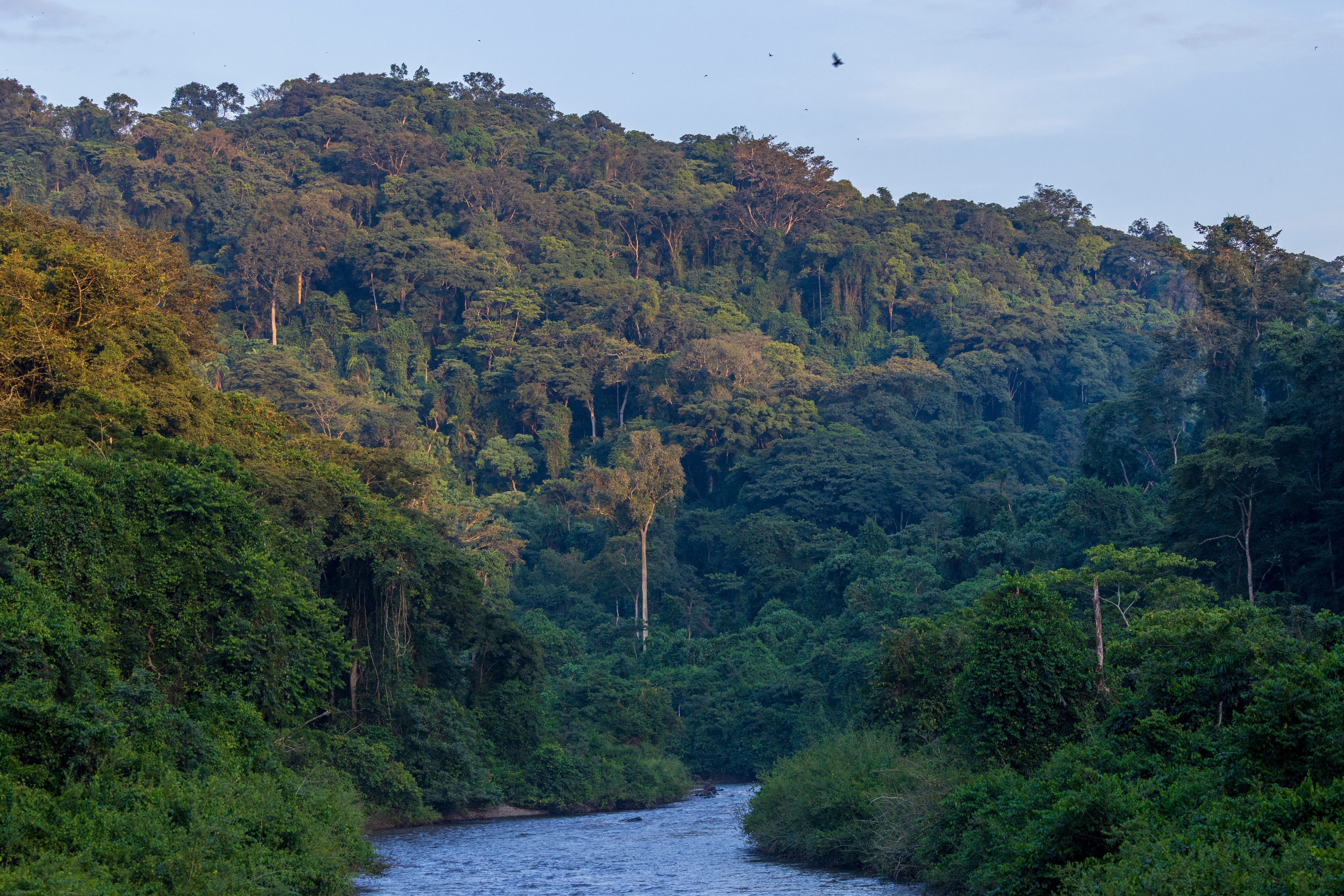
The biodiversity survey that found the Ethiopian water mouse was the first of its kind in the Yayu Biosphere Reserve. Researchers argue that more surveys like this could uncover more hidden species in the region.
Jason Bittelis a National Geographic Explorer and author of |&sdata=Z0JLzg38kk0xXia+p5JOeY6fmdnvv/YmGZHozXLHTCc=&reserved=0Grizzled: Love Letters to 50 of North America’s Least Understood Animals, now available from National Geographic Books.
Bruno D’Amicis is an Italian photographer and conservationist whose work focuses on wildlife, environmental issues, and the relationship between people and nature.
Related Topics
You May Also Like

ANIMALS ## California’s endangered condors have a surprising new foe
ENVIRONMENT ## This Toad Is Fighting for Survival—and It Has a Lawyer
ANIMALS ## Newly Discovered Monkey Pops Up in Camera Trap Footage

HEALTH ## What is hantavirus? Here's what to know about how it spreads

ANIMALS ## Can we save the hammerhead shark from extinction?
The best of National Geographic delivered to your inbox
Email Address
Yes! I would like to receive top content, special offers, and other updates from National Geographic and The Walt Disney Family of Companies. By creating an account, you agree to our Terms of Use and acknowledge that you have read our Privacy Policy and US State Privacy Rights Notice.
Follow us National Geographic Instagram National Geographic Facebook National Geographic Twitter National Geographic Youtube National Geographic Linkedin National Geographic Tiktok National Geographic Reddit
United States (Change)

Notice of Right to Opt Out of Sale/Sharing
Some US states provide residents (or their authorized agents) with the right to opt out of “targeted advertising,” “selling,” or “sharing” of personal information, as defined by applicable laws. You can move the toggle to the left and click “Submit” to opt out of such activities occurring through this digital property. If you are logged in, we may be able to associate your choice with your account and apply it to data sharing occurring through this digital property (across your browsers and devices) as well as other digital properties of The Walt Disney Family of Companies. You can confirm the status of your choice or opt out or in by clicking “Do Not Sell or Share My Personal Information” or “Your Privacy Choices” on each property.
Manage Consent Preferences
Selling, Sharing, Targeted Advertising
[x] Selling, Sharing, Targeted Advertising
If you are not logged in, your opt-out will be specific to this property and device or browser. For our other digital properties, to opt out, select “Do Not Sell or Share My Personal Information” or “Your Privacy Choices” on each. If you clear your tracking history or use another browser or device, you’ll need to opt out again.
You can also submit this opt-out form, which may enable us to apply your opt-out more broadly, for example, to stop data sharing in connection with advertising intended to reach you on platforms not operated by Disney (e.g., social media platforms).
You may enable online, where available, a universal tool that automatically communicates your opt-out, such as Global Privacy Control (“GPC”), which we’ll process as if you had opted out through the toggle.
Even if you opt out, you may continue to see advertising, including ads that may be based on personal information processed before you opted out. Please visit Your US State Privacy Rights for more information about your rights and how to exercise them.
Cookie List
Clear
- [x] checkbox label label
Apply Cancel
Consent Leg.Interest
[x] checkbox label label
[x] checkbox label label
[x] checkbox label label
Submit
Enter your email to read this article
Plus, get unlimited access to free National Geographic content
Email Address
SUBMIT
Yes! I would like to receive top content, special offers, and other updates from National Geographic and The Walt Disney Family of Companies. By creating an account, you agree to our Terms of Use and acknowledge that you have read our Privacy Policy and US State Privacy Rights Notice.
Already have an account?